



SPEECH
Minnesota ICE Protesters Face Federal Charges
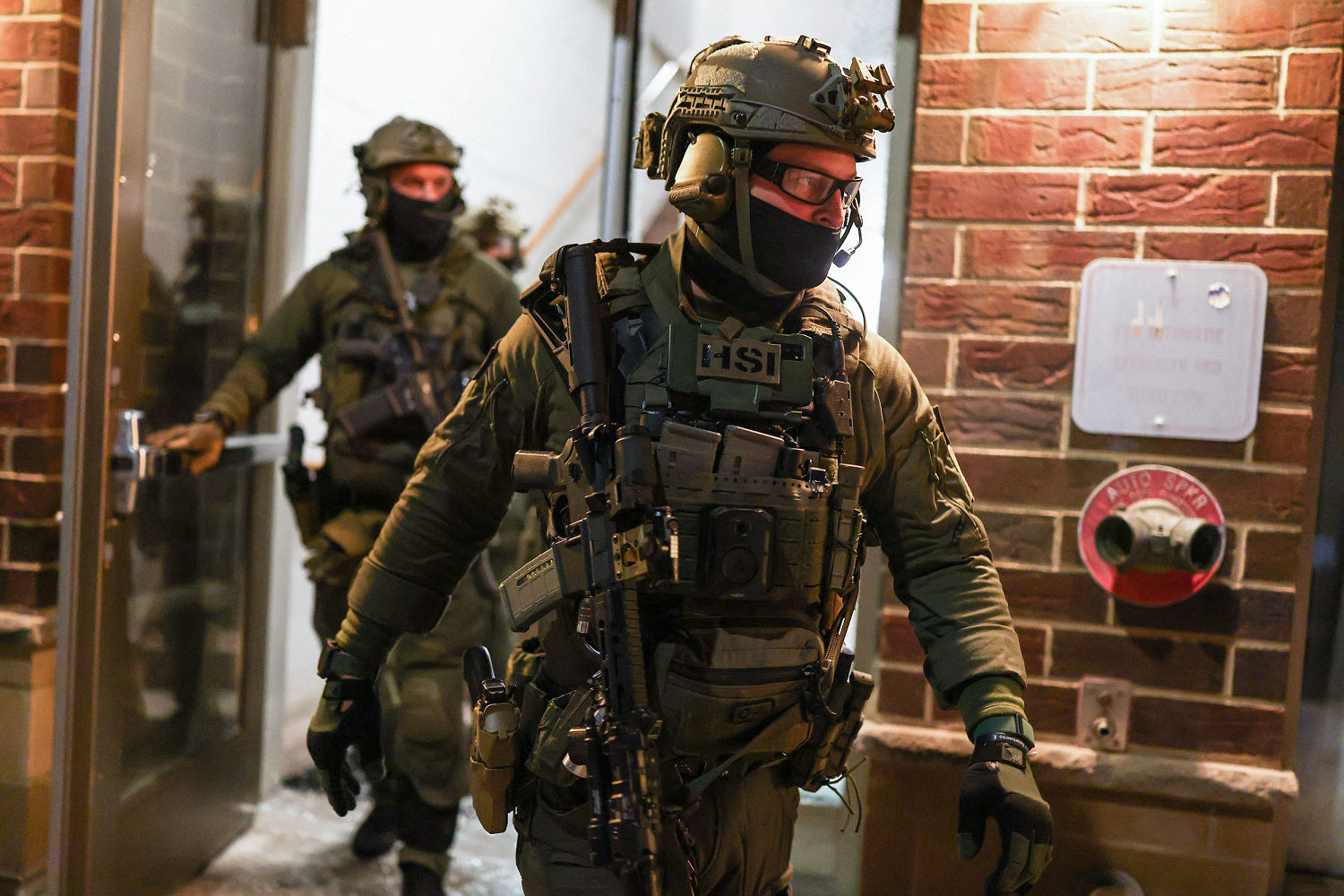
Federal prosecutors charged 15 people in Minnesota for allegedly obstructing Immigration and Customs Enforcement and Border Patrol during protests tied to the Trump administration’s Operation Metro Surge in Minneapolis.
Federal prosecutors charged 15 people in Minnesota for allegedly obstructing Immigration and Customs Enforcement and Border Patrol during protests tied to the Trump administration’s Operation Metro Surge in Minneapolis.
Corroboration
LowMedHigh






Confirmed by 6+ sources.
What This is
- Federal prosecutors charged 15 people in Minnesota for allegedly obstructing Immigration and Customs Enforcement and Border Patrol during protests tied to the Trump administration’s Operation Metro Surge in Minneapolis.
- Prosecutors allege some defendants coordinated planning through encrypted chats to track and follow ICE personnel, surveil offices, and stage blockades during enforcement activity.
- The Justice Department alleges the defendants coordinated surveillance and blockades and used items such as vehicles, blocks of ice, and homemade shields to impede agents during the enforcement operation.
- The charges include conspiracy to impede or injure federal officers, assault on a federal officer, and destruction of government property.
- Authorities also allege conduct including interstate stalking of federal officers as part of the conspiracy.
- Authorities said 12 suspects were arrested, one was already in custody, and two remain at large.
- Prosecutors described some defendants as linked to Direct Action Minnesota and as members of or self-identified with “antifa,” framing the case as a coordinated effort rather than spontaneous protest.
- Justice Department officials said the case is aimed at allegedly illegal actions that interfered with federal officers, not protected speech, while civil-liberties advocates raised First Amendment concerns.
Why This Matters
- The case probes how far the state can go in treating coordinated protest as a criminal agreement without undermining basic rights of speech and assembly.
- How courts assess evidence like encrypted chats and group association will shape future standards for proving intent versus mere participation in demonstrations.
- The prosecutions may change on-the-ground behavior at immigration actions by raising the perceived legal risk of organizing, monitoring police, or physically interposing to stop arrests.
- Labeling defendants with ideological tags can harden polarization and affect public trust in whether federal law enforcement is acting neutrally.