



GOVERNMENT SPENDING
Lawsuit seeks to block proposed White House ballroom
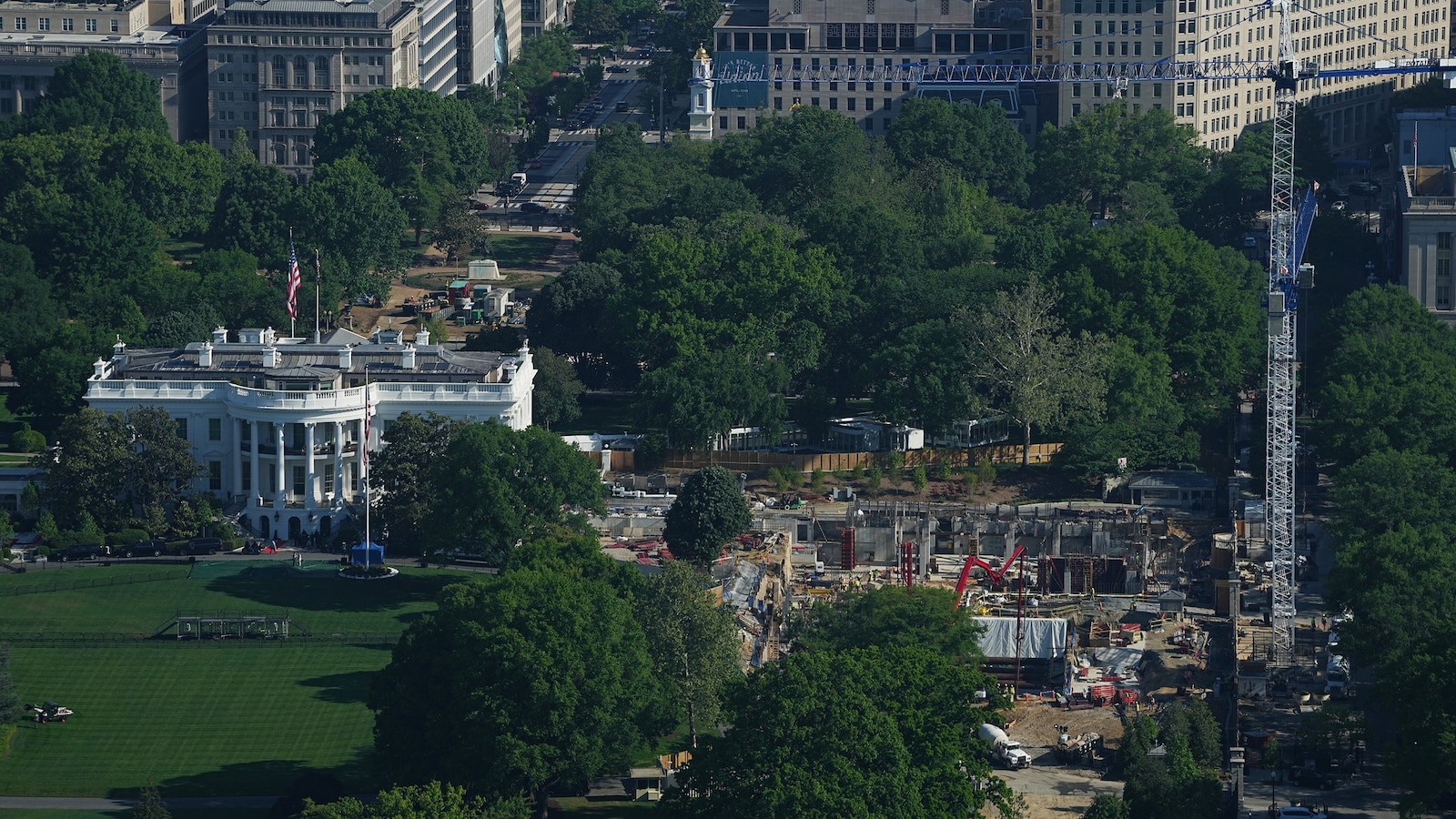
A lawsuit-backed court order has halted work on a proposed White House East Wing modernization that includes a new ballroom, pending congressional authorization.
A lawsuit-backed court order has halted work on a proposed White House East Wing modernization that includes a new ballroom, pending congressional authorization.
Corroboration
LowMedHigh






Confirmed by 13+ sources.
What This is
- A lawsuit-backed court order has halted work on a proposed White House East Wing modernization that includes a new ballroom, pending congressional authorization.
- Senate Republicans proposed up to $1 billion for Secret Service security upgrades tied to the East Wing project as part of a larger immigration enforcement funding package, with bill language limiting the money to security-related features.
- President Trump says the ballroom itself would be funded by him and private donors and argues the taxpayer funding is for broader safety and security needs rather than ballroom construction.
- Critics argue that security and construction are difficult to separate on projects like this and that a large security appropriation could effectively subsidize the ballroom and related work.
- A National Park Service interim report found soil moved from East Wing demolition to East Potomac Golf Links contained toxic metals such as lead and chromium after more than 2,000 truckloads were relocated.
- Separately, the Cultural Landscape Foundation sued to stop changes to the Lincoln Memorial Reflecting Pool, arguing required historic-preservation consultation was not followed and that a blue coating would alter its historic appearance.
- The Trump administration’s broader Washington plans also include other proposed projects that face legal, funding, authorization, preservation, and environmental hurdles.
Why This Matters
- It tests how firmly Congress controls major spending and construction decisions at the White House, especially when a project is paused by a court pending explicit authorization.
- It raises public-finance accountability questions about whether “security upgrades” can function as a workaround to fund politically sensitive construction without a clear price tag.
- It affects public trust in stewardship of historic federal sites and whether preservation-review requirements can be bypassed or narrowed for high-profile projects.
- It has potential environmental and public-health implications when demolition debris and soil handling near public land are alleged to involve toxic metals.