



ELECTIONS
Lawsuit seeks to bar armed ICE agents from polling places
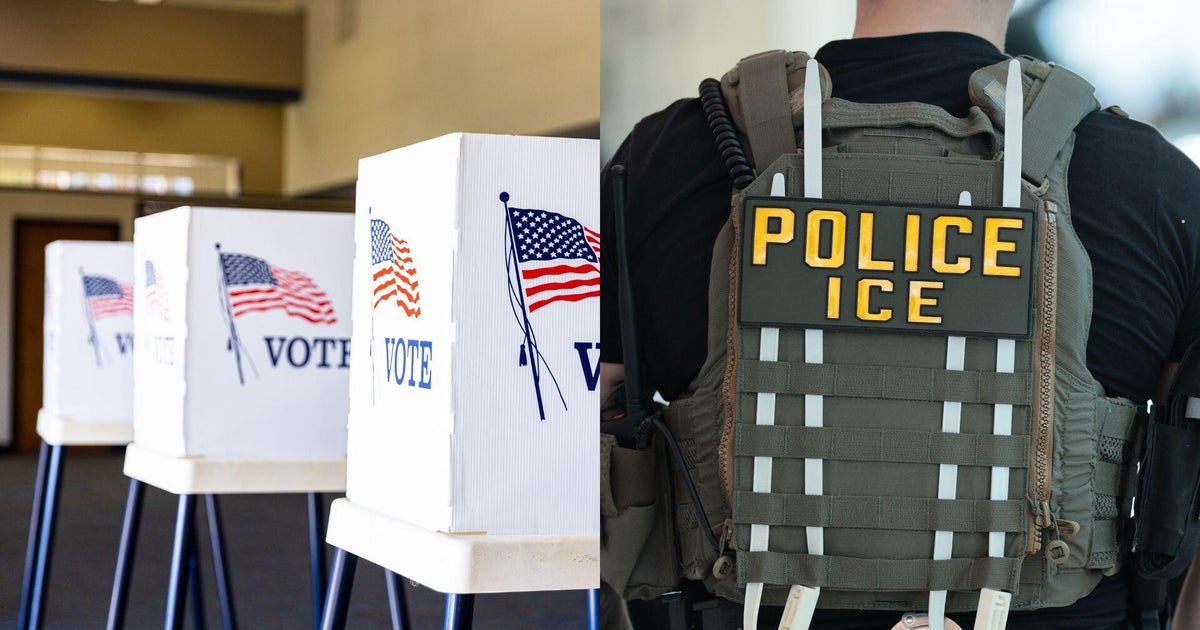
Denver and several civil-rights groups sued the Department of Homeland Security to stop armed ICE officers from being deployed at or near polling places during the 2026 midterm elections.
Denver and several civil-rights groups sued the Department of Homeland Security to stop armed ICE officers from being deployed at or near polling places during the 2026 midterm elections.
Corroboration
LowMedHigh






Confirmed by 10+ sources.
What This is
- Denver and several civil-rights and voting-rights groups filed a federal lawsuit to block ICE and other DHS agents from being deployed to polling places.
- The lawsuit was filed ahead of the midterm elections and is framed as a preemptive effort to prevent federal agents from showing up at voting sites.
- The suit names DHS and Homeland Security Secretary Markwayne Mullin, and points to public comments suggesting ICE could be present at polling sites in some circumstances.
- Plaintiffs argue that armed immigration agents at polls would intimidate voters, especially Latino families and mixed-status households, and could reduce turnout.
- The complaint cites federal law that restricts sending “troops or armed men” to election sites, except in narrow circumstances like repelling armed enemies.
- The lawsuit also points to reported incidents of federal agents appearing at or near polling sites in multiple states as a reason for the court to step in now.
Why This Matters
- Visible armed federal officers near voting sites can make some people feel unsafe voting, even if no one is stopped.
- The case could clarify how election-protection laws apply to immigration enforcement around polling places.
- A ruling could set a national baseline for what federal agencies may do near polls, shaping how local officials run elections.
- The dispute reflects a wider political fight over whether federal power is being used in ways that discourage voting.