



DEFENSE
Judge orders Hegseth to explain US military’s new testosterone policy
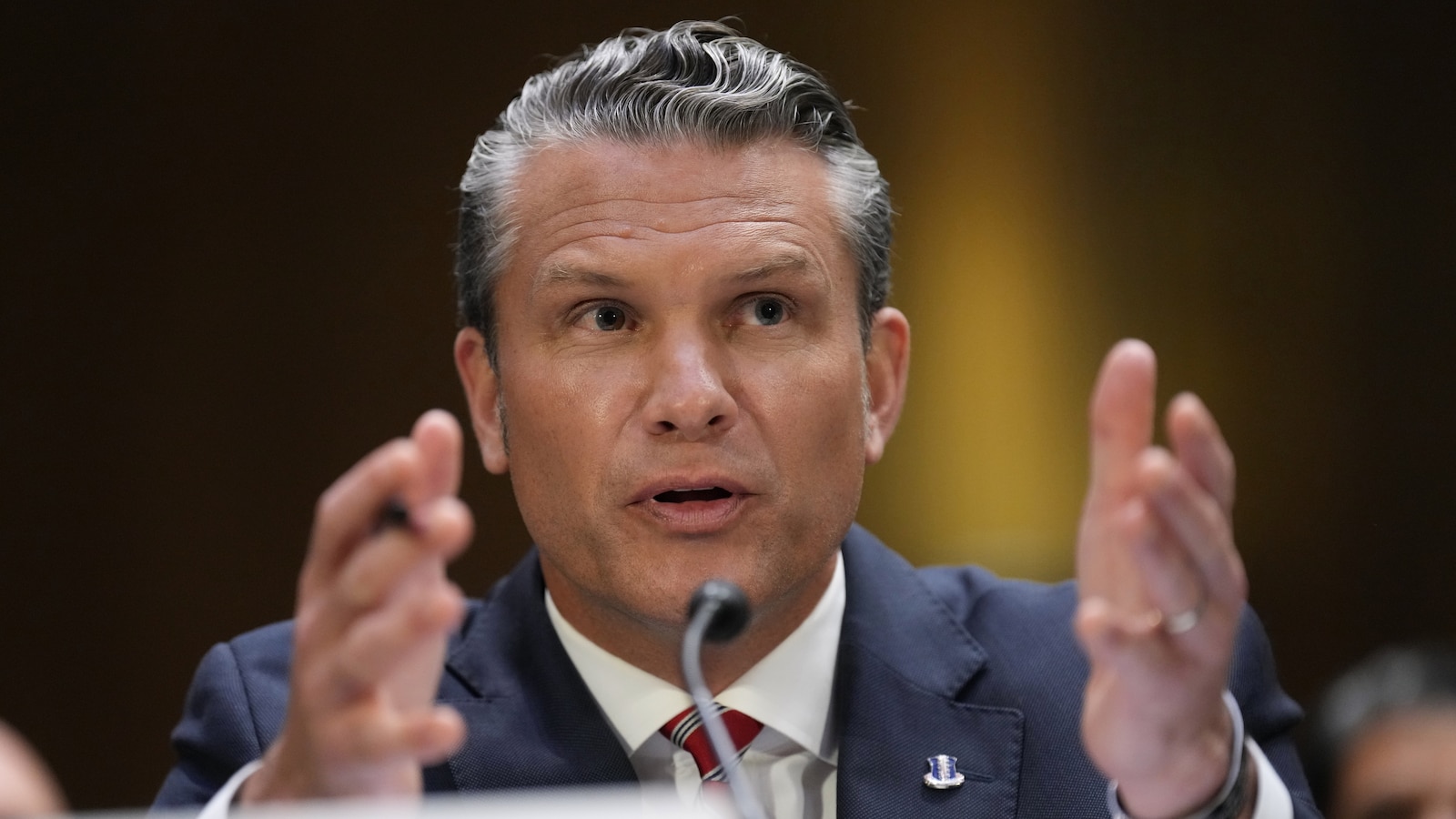
Defense Secretary Pete Hegseth announced annual testosterone screening for service members age 30 and older, with younger troops able to opt in.
Defense Secretary Pete Hegseth announced annual testosterone screening for service members age 30 and older, with younger troops able to opt in.
Corroboration
LowMedHigh






Confirmed by 68+ sources.
What This is
- Defense Secretary Pete Hegseth announced annual testosterone screening for service members age 30 and older, with younger troops able to opt in.
- The plan would offer voluntary testosterone replacement therapy for those found to have low levels, under medical supervision.
- The Pentagon says the screening will be added to routine annual health assessments for active-duty and reserve troops.
- Federal Judge Ana Reyes ordered the government to provide details on the policy’s rationale, costs, and how it would be implemented.
- Reyes raised questions about how testosterone replacement for cisgender troops compares with hormone treatment for transgender men, in a case challenging President Trump’s ban on transgender service members.
- Some coverage says the Pentagon has not clearly explained how the policy applies to women or what thresholds would trigger a “low testosterone” finding.
- Medical experts warn that screening large numbers of healthy, symptom-free people can lead to false positives and unnecessary prescriptions.
- Doctors say testosterone therapy can help some patients with confirmed deficiency, but it often needs repeat testing, close monitoring, and may mean long-term treatment.
- Experts also warn about side effects from testosterone therapy, including fertility problems and risks like blood clots and heart-related issues.
- Some reporting links the Pentagon policy to a broader Trump administration push to make testosterone easier to prescribe, including actions by health agencies and the Food and Drug Administration.
Why This Matters
- It could normalize broad medical screening and medication across the force, even when many people have no symptoms.
- It sharpens the political and moral debate over equal treatment when similar hormones are encouraged for some troops but used to bar others.
- Because military careers hinge on medical status, “voluntary” treatment can still feel pressured and may affect assignments and evaluations.
- If the program scales, it could drive costs and clinic workload and create long-term follow-up demands for side effects like infertility or blood clots.