



BORDER CONTROL
Judge halts Big Bend border project, citing risk of irreparable harm
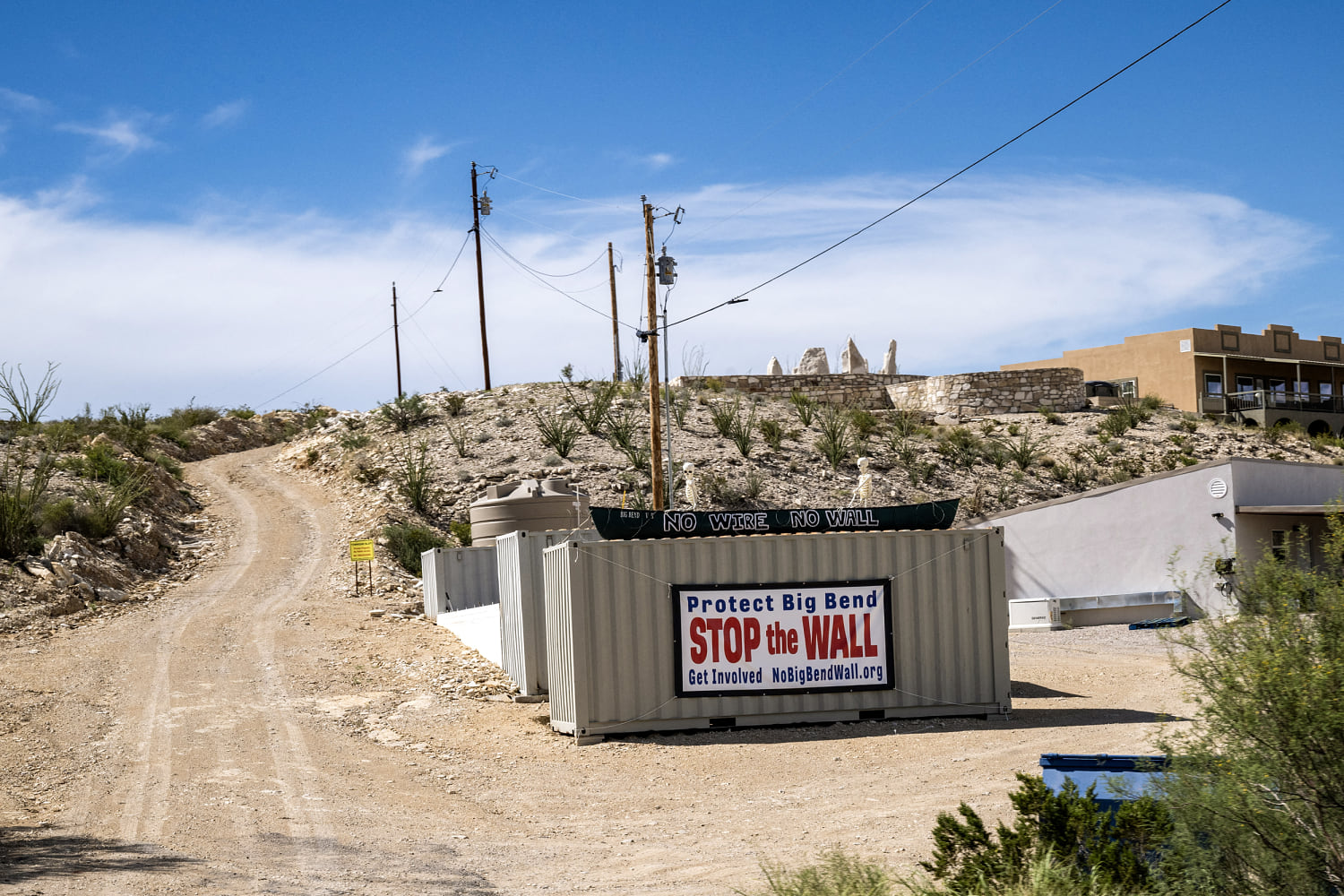
A federal judge in Texas temporarily blocked the Trump administration from building border barriers, roads, and related infrastructure across the Big Bend region, including inside Big Bend National Park, while litigation over the project proceeds.
A federal judge in Texas temporarily blocked the Trump administration from building border barriers, roads, and related infrastructure across the Big Bend region, including inside Big Bend National Park, while litigation over the project proceeds.
Corroboration
LowMedHigh






Confirmed by 24+ sources.
What This is
- A federal judge issued a temporary injunction blocking border wall construction and related infrastructure in Texas’ Big Bend region.
- The order also bars ground-disturbing work in Big Bend National Park while the legal challenge proceeds.
- Landowners, businesses, and environmental groups sued, challenging DHS waivers that exempted the project from environmental, cultural, archaeological, and historic-preservation requirements.
- The judge said the plaintiffs were likely to succeed on at least one claim and could suffer irreparable harm without an injunction.
- The Big Bend construction is part of a broader $46.5 billion federal border-security program.
- A separate lawsuit was filed by six landowners and a coalition representing about 230 others seeking to block walls, barriers, and roads across private property in the Big Bend sector.
Why This Matters
- The dispute could define how broadly the executive branch may waive environmental and historic-preservation laws to accelerate border construction.
- The outcome could shape how national parks and protected landscapes are treated in future border-infrastructure planning.
- The related cases could affect how readily federal border projects may cross private property and what legal recourse landowners have to seek changes or delays.
- The litigation may press officials to explain the evidence used to designate remote areas as high-priority crossing zones and justify related spending.