



GOVERNANCE INSTITUTIONS
Jay Clayton faces Senate confirmation hearing on nomination to intelligence post
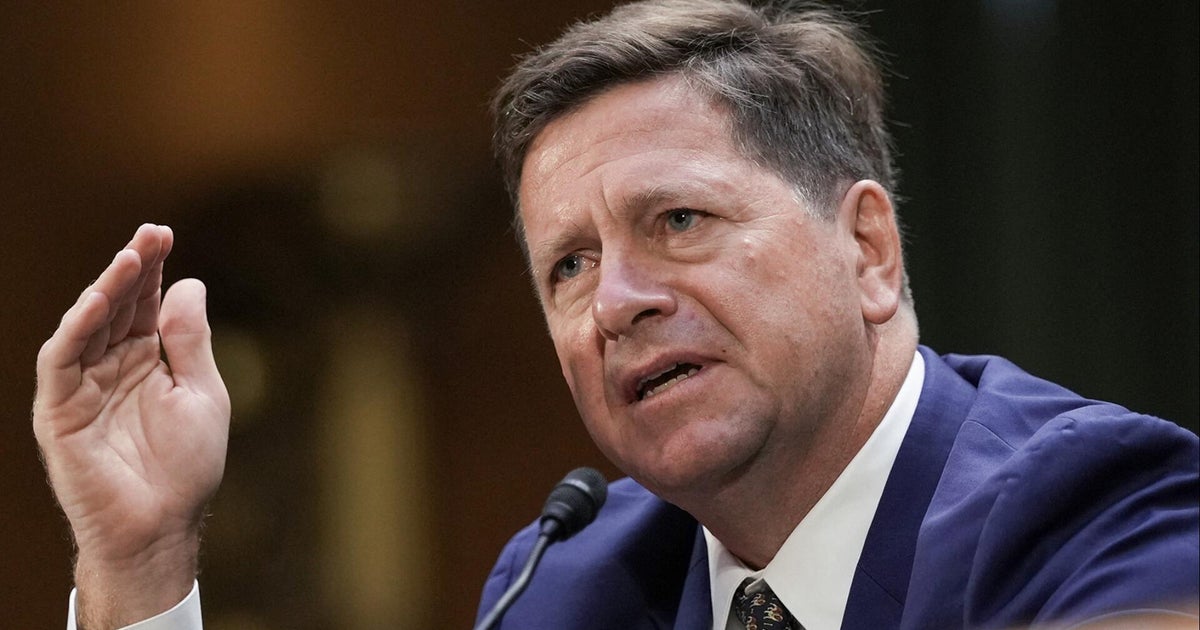
Jay Clayton testified before the Senate Intelligence Committee as President Trump’s pick to lead the Office of the Director of National Intelligence.
Jay Clayton testified before the Senate Intelligence Committee as President Trump’s pick to lead the Office of the Director of National Intelligence.
Corroboration
LowMedHigh






Confirmed by 48+ sources.
What This is
- Jay Clayton testified before the Senate Intelligence Committee as President Trump’s pick to lead the Office of the Director of National Intelligence.
- Clayton faced questions about a reported FBI search of a Fulton County, Georgia election office and former DNI Tulsi Gabbard’s reported presence there, and he said he could not recall details.
- Clayton was also questioned about subpoenas issued to New York Times journalists in a leak investigation tied to a story about security concerns involving Trump’s new Air Force One.
- Senators also questioned Clayton about a release of Jeffrey Epstein-related materials that exposed victims’ personal information, and Clayton said he was ultimately responsible.
- The hearing came after weeks of delays and controversy over acting DNI Bill Pulte, including concerns about his lack of intelligence experience and reports of staffing upheaval.
Why This Matters
- The DNI shapes what threats the president and Congress hear about, so doubts about a nominee’s independence can affect trust in intelligence briefings.
- Refusing to state basic, settled election facts can weaken public confidence that top officials will respect certified results.
- Aggressive leak investigations that pull reporters into court can chill sources and reduce public oversight of secrecy.
- Delays and upheaval in intelligence leadership can slow decisions, disrupt staff, and distract agencies from real-world threats.
- With a key surveillance power expired, the fight over renewal highlights the tension between tracking threats and protecting privacy.