



IRAN
Israeli military strikes Beirut suburbs amid talks over Iran deal
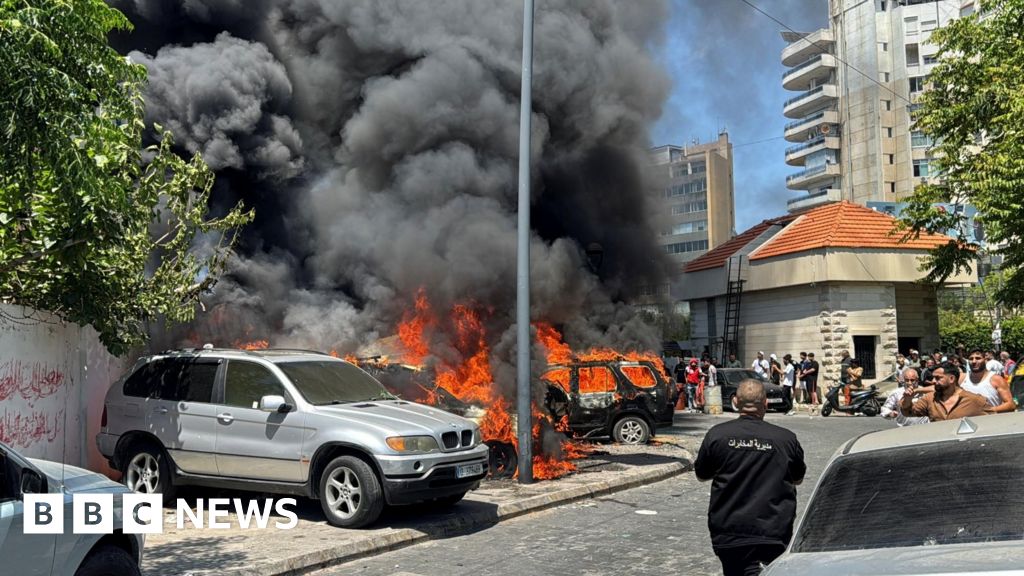
Israel resumed strikes on Beirut’s southern suburbs and southern Lebanon as U.S.-Iran negotiations advanced toward a possible ceasefire-and-terms deal, putting the regional truce under strain.
Israel resumed strikes on Beirut’s southern suburbs and southern Lebanon as U.S.-Iran negotiations advanced toward a possible ceasefire-and-terms deal, putting the regional truce under strain.
Corroboration
LowMedHigh






Confirmed by 76+ sources.
What This is
- Israel resumed strikes on Beirut’s southern suburbs and southern Lebanon as U.S.-Iran negotiations advanced toward a possible ceasefire-and-terms deal, putting the regional truce under strain.
- Israel said the Beirut-area strikes targeted Hezbollah command centers or infrastructure and were retaliation for Hezbollah projectiles, drones, or other fire into northern Israel.
- Lebanon’s health authorities reported casualties from strikes in Beirut’s Dahiyeh suburb and said evacuation warnings and attacks in places like Tyre drove large-scale displacement.
- After the Beirut strikes, Iran launched ballistic missiles toward Israel in what it described as retaliation, and Israel said its air defenses intercepted the launches with no immediate casualties reported.
- Israel also struck targets inside Iran, including air-defense sites and a petrochemical facility that Israel linked to missile production or storage.
- President Donald Trump publicly urged Israel and Iran to stop firing and pressed Netanyahu to avoid further escalation, portraying talks with Tehran as close to an interim agreement.
- Trump’s relationship with Netanyahu became a central factor, with accounts describing U.S. frustration and pressure to pause strikes while Israeli leaders and ministers argued for continued action against Hezbollah and Iran.
- Iran has tied any wider ceasefire or U.S. deal to an end to Israeli operations in Lebanon, while Israel has signaled it will keep fighting Hezbollah even if Israel and Iran pause direct attacks.
Why This Matters
- Linking an Iran deal to a Lebanon ceasefire turns Lebanese territory into bargaining leverage, weakening state sovereignty and raising the risk civilians pay the price for external negotiations.
- Repeated flare-ups show how fragile ceasefires are when multiple armed actors can restart escalation quickly, making durable de-escalation harder to enforce.
- Threats to shipping through the Strait of Hormuz and Red Sea tie battlefield decisions to global energy prices, trade disruptions, and inflation risks far beyond the region.
- Public U.S.-Israel disagreements test alliance credibility and deterrence, shaping whether regional actors believe Washington can restrain partners or guarantee security commitments.