



ISRAEL
Israel and Lebanon sign framework agreement calling for Hezbollah disarmament amid protests
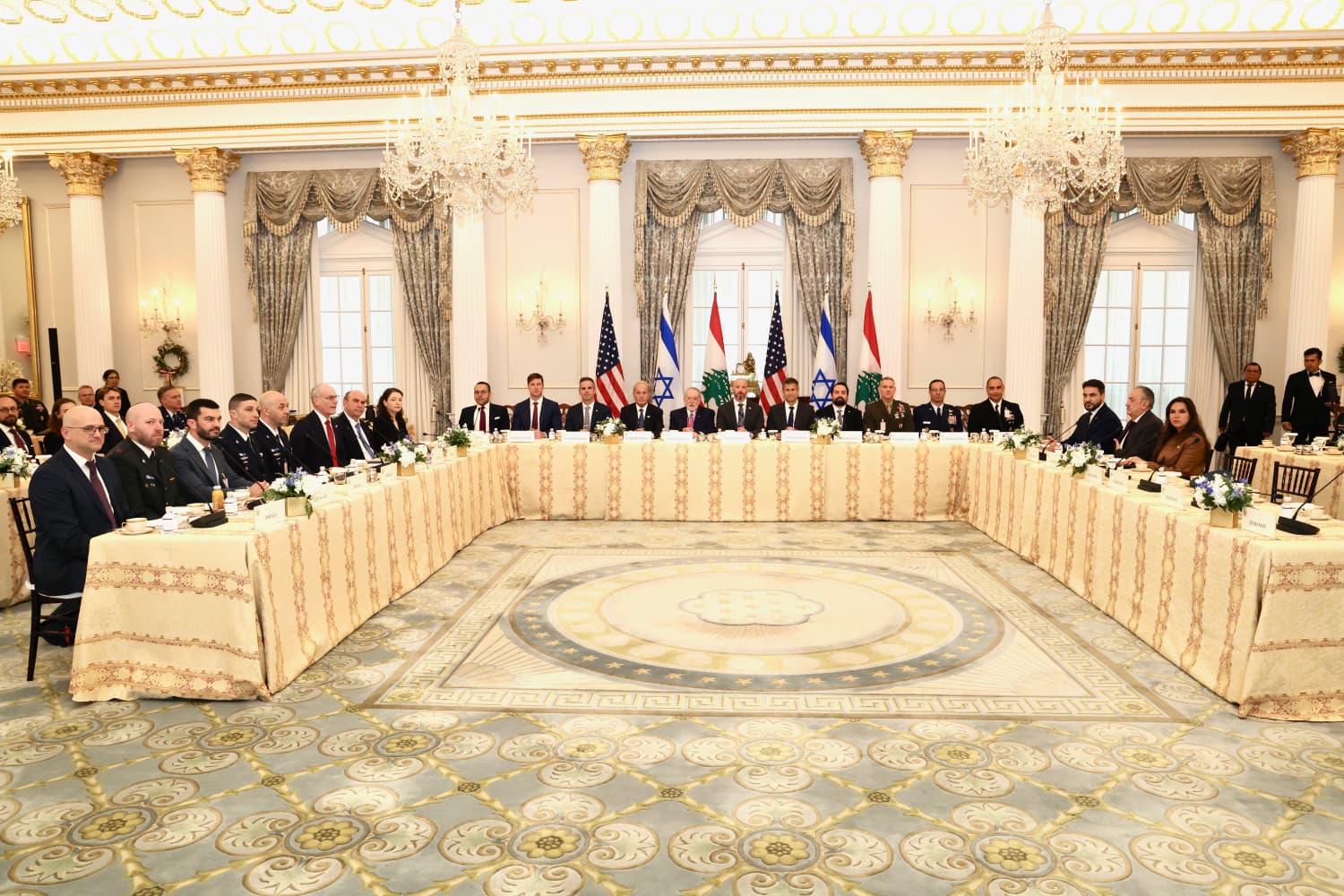
Israel, Lebanon and the United States signed a U.S.-brokered framework meant to end hostilities and lay out a path toward broader peace, tying Israeli redeployments to steps aimed at dismantling Hezbollah’s armed presence in southern Lebanon.
Israel, Lebanon and the United States signed a U.S.-brokered framework meant to end hostilities and lay out a path toward broader peace, tying Israeli redeployments to steps aimed at dismantling Hezbollah’s armed presence in southern Lebanon.
Corroboration
LowMedHigh






Confirmed by 71+ sources.
What This is
- Israel, Lebanon and the United States signed a U.S.-brokered framework meant to end hostilities and lay out a path toward broader peace, tying Israeli redeployments to steps aimed at dismantling Hezbollah’s armed presence in southern Lebanon.
- Hezbollah rejected the framework as humiliating and illegitimate, refused to disarm, and organized demonstrations, with warnings from Hezbollah-linked figures and others that enforcement could trigger serious internal unrest.
- Israel says it will keep a southern Lebanon “security zone” and condition broader pullbacks on Hezbollah’s disarmament, with Israeli leaders publicly stressing that troops will stay as long as Hezbollah is armed.
- Despite the framework, Israeli strikes and shootings in southern Lebanon continued, with Israel saying it hit threats to its forces and Lebanese officials and Hezbollah calling incidents ceasefire violations.
- The agreement includes U.S. humanitarian and security support for Lebanon, including roughly $100 million in humanitarian aid and additional assistance linked to strengthening the Lebanese Armed Forces.
Why This Matters
- The deal probes whether Lebanon can assert a state monopoly on force while Hezbollah remains a powerful armed political actor with external backing.
- Conditions-based withdrawal creates a commitment trap: each side fears that conceding first locks in a worse long-term security position.
- Continued strikes and shootings show how quickly tactical incidents can collapse diplomacy and reignite a wider regional escalation.
- Limiting “hostile actions” in legal forums risks trading victims’ access to justice and independent investigation for short-term calm.