



IRAN
Iran strikes vessel in Strait of Hormuz
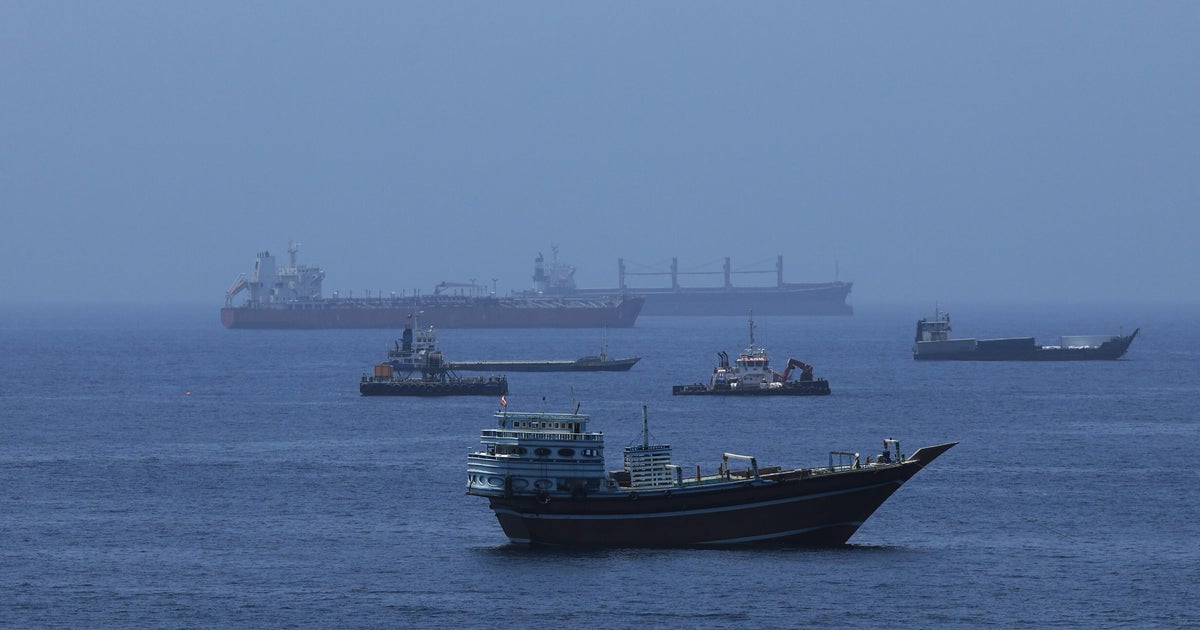
A cargo ship was struck by a projectile while transiting the Strait of Hormuz, disrupting efforts to stabilize shipping after a preliminary U.S.-Iran understanding.
A cargo ship was struck by a projectile while transiting the Strait of Hormuz, disrupting efforts to stabilize shipping after a preliminary U.S.-Iran understanding.
Corroboration
LowMedHigh






Confirmed by 12+ sources.
What This is
- A cargo ship was struck by a projectile while transiting the Strait of Hormuz, disrupting efforts to stabilize shipping after a preliminary U.S.-Iran understanding.
- The attacker was not publicly identified by the British military, while some reporting attributed the strike to Iran’s Revolutionary Guards.
- British maritime authorities said the ship was on a UN-approved route near Omani waters, suffered damage, and reported no casualties or environmental impact.
- The UN’s International Maritime Organization paused its plan to help ships exit the Gulf until safety assurances can be confirmed.
- Iran’s Islamic Revolutionary Guard Corps and Iran’s new strait authority warned commercial vessels to use Tehran-designated routes and said transit outside them would not be covered or could face action.
- The strike came as the United States and Iran pursued an interim arrangement to reopen the strait and keep it toll-free while talks continue.
Why This Matters
- Disruptions in the Strait of Hormuz quickly affect global energy prices and inflation because it is a key route for oil and gas shipments.
- The incident tests whether interim security arrangements can protect civilian commerce when a regional power asserts control over routes.
- Pausing UN-backed shipping support raises immediate risks and costs for crews, insurers, and supply chains even without casualties.
- Escalation at sea can spill into diplomacy by hardening positions in U.S.-Iran negotiations and complicating enforcement of any agreement.