



IRAN
Iran proposes new seven-day ceasefire proposal to reopen Hormuz
Iran has presented a proposed seven-day ceasefire plan that would reopen the Strait of Hormuz and restart talks with the U.S., with messages largely passed through mediators at the U.N. as Washington and Tehran dispute sanctions relief, frozen funds, and the form of the talks.
Iran has presented a proposed seven-day ceasefire plan that would reopen the Strait of Hormuz and restart talks with the U.S., with messages largely passed through mediators at the U.N. as Washington and Tehran dispute sanctions relief, frozen funds, and the form of the talks.
Corroboration
LowMedHigh





Confirmed by 40+ sources.
What This is
- Iran has put forward a seven-day roadmap for a ceasefire with the United States and a path to restart talks.
- Iran’s plan links reopening the Strait of Hormuz to U.S. steps such as halting hostilities, easing military pressure, ending a U.S. blockade of Iranian ports, releasing frozen Iranian assets, and lifting oil sanctions.
- Iran says a broader ceasefire would also cover Lebanon as part of the package tied to reopening Hormuz.
- Qatar and other intermediaries have been passing messages and mediating shuttle talks on the sidelines of the U.N. General Assembly.
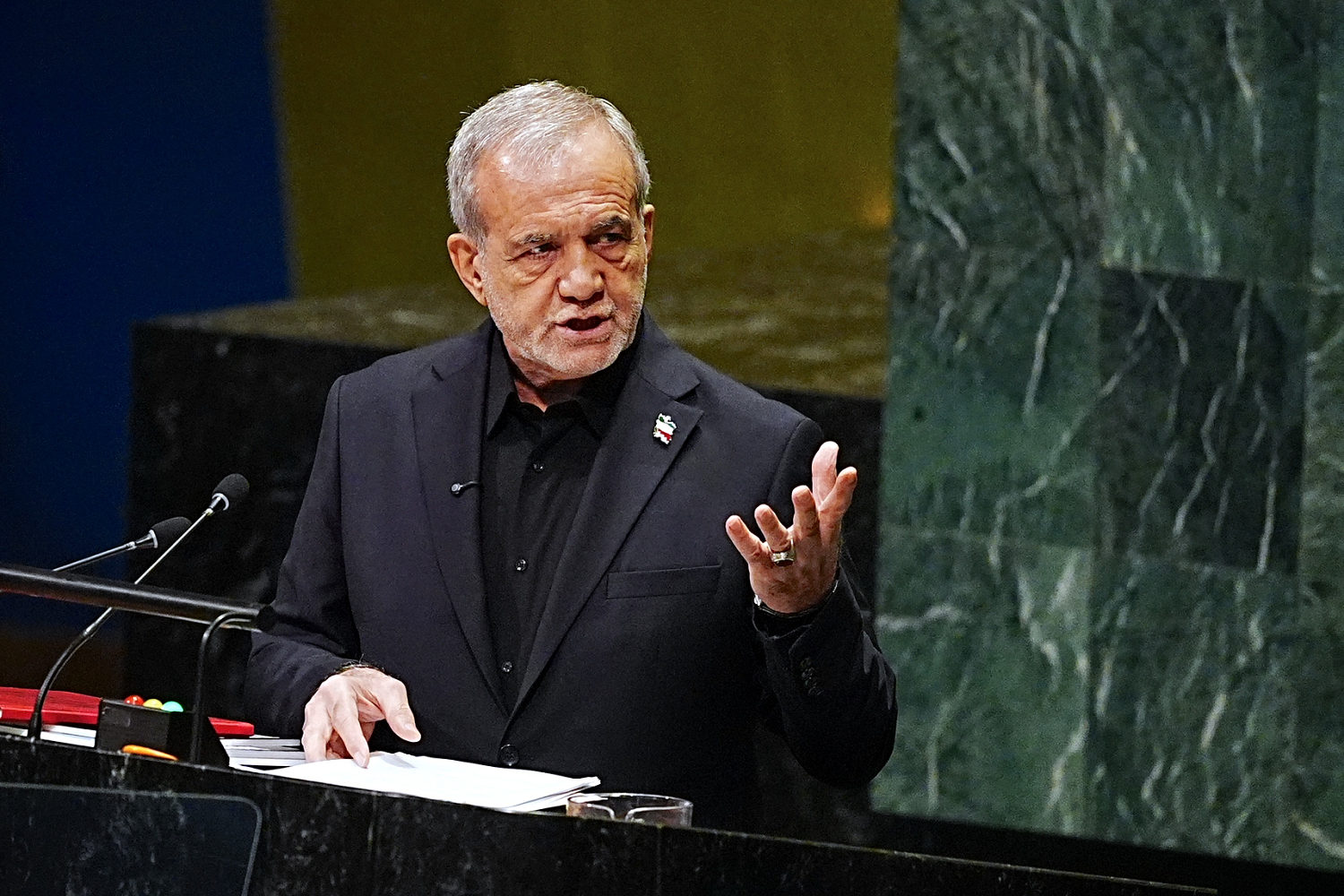
- Iran’s president Masoud Pezeshkian says Tehran wants a deal before the U.S. midterm elections and disputes President Trump’s claim that Iran would wait until after the vote.
- Shipping through Hormuz remains disrupted by the conflict and attacks, contributing to higher and volatile oil prices and costly workarounds for Gulf exports.
Why This Matters
- Because so much of the world’s oil passes through Hormuz, even partial reopening talks can move fuel prices and shipping insurance.
- The deal’s “who moves first” fight reflects a basic trust problem: each side fears giving up leverage without getting security or sanctions relief in return.
- Linking sanctions relief and frozen assets to access for global shipping raises ethical questions about using civilian economic pressure as bargaining power.
- Qatar’s mediating role shows how Gulf states can shape de-escalation when the U.S. and Iran will not negotiate openly.