



IRAN
Iran launches strikes on targets in Bahrain and Kuwait after U.S. strikes, warns it may end talks
Iran and the United States exchanged new military strikes linked to security in and around the Strait of Hormuz, raising fears of wider escalation and endangering ongoing diplomacy.
Iran and the United States exchanged new military strikes linked to security in and around the Strait of Hormuz, raising fears of wider escalation and endangering ongoing diplomacy.
Corroboration
LowMedHigh






Confirmed by 47+ sources.
What This is
- Iran and the United States exchanged new military strikes linked to security in and around the Strait of Hormuz, raising fears of wider escalation and endangering ongoing diplomacy.
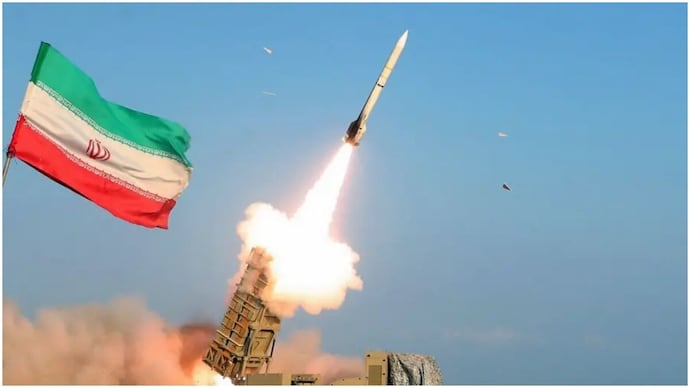
- Iran’s Islamic Revolutionary Guard Corps said it launched drone and missile attacks toward Kuwait and Bahrain, describing them as retaliation for U.S. strikes on Iranian military targets.
- Kuwait reported intercepting incoming missiles and drones, and Bahrain reported sirens and limited damage including to a residential building, with no immediate reports of fatalities in several accounts.
- The United States said its strikes hit Iranian surveillance, air-defense, radar, drone-storage, missile, and related military infrastructure after incidents involving attacks on commercial shipping near the Strait of Hormuz.
- Both Washington and Tehran accused the other of violating a recent interim ceasefire or memorandum of understanding meant to reduce hostilities and support shipping through the Strait of Hormuz.
- Iran warned it could halt or completely stop negotiations with the United States if U.S. strikes continue, while U.S. leaders publicly threatened additional military action.
- The clash unfolded alongside broader Gulf diplomacy, including U.S. outreach to Gulf Cooperation Council states to reassure them about the Iran talks and freedom of navigation through the strait.
- Commercial and national maritime stakeholders adjusted operations as risk rose, including cautious resumption of some shipping through Hormuz and updated guidance affecting vessels and crews.
Why This Matters
- The episode tests whether U.S.–Iran crisis management can prevent rapid escalation when bases and neighboring states are drawn into tit-for-tat strikes.
- Threats to shipping through the Strait of Hormuz create economic risk because disruption or higher insurance and security costs can quickly affect global energy prices and trade flows.
- Strikes launched from or toward Gulf states strain their sovereignty and security calculations, potentially reshaping their reliance on U.S. protection and their approach to diplomacy with Iran.
- If negotiations collapse, informal limits on attacks and navigation may weaken, increasing the chance of miscalculation and a prolonged regional conflict.