



IMMIGRATION ENFORCEMENT
ICE spent over $20 million on abandoned detention plans, watchdog finds
A Government Accountability Office report says ICE and DHS wasted tens of millions of dollars while rapidly expanding immigration detention since early 2025, including abandoned facility plans and weak planning and oversight.
A Government Accountability Office report says ICE and DHS wasted tens of millions of dollars while rapidly expanding immigration detention since early 2025, including abandoned facility plans and weak planning and oversight.
Corroboration
LowMedHigh






Confirmed by 20+ sources.
What This is
- A Government Accountability Office (GAO) review found ICE and DHS spent rapidly to expand immigration detention after early 2025 directives, but did not follow normal planning and oversight steps.
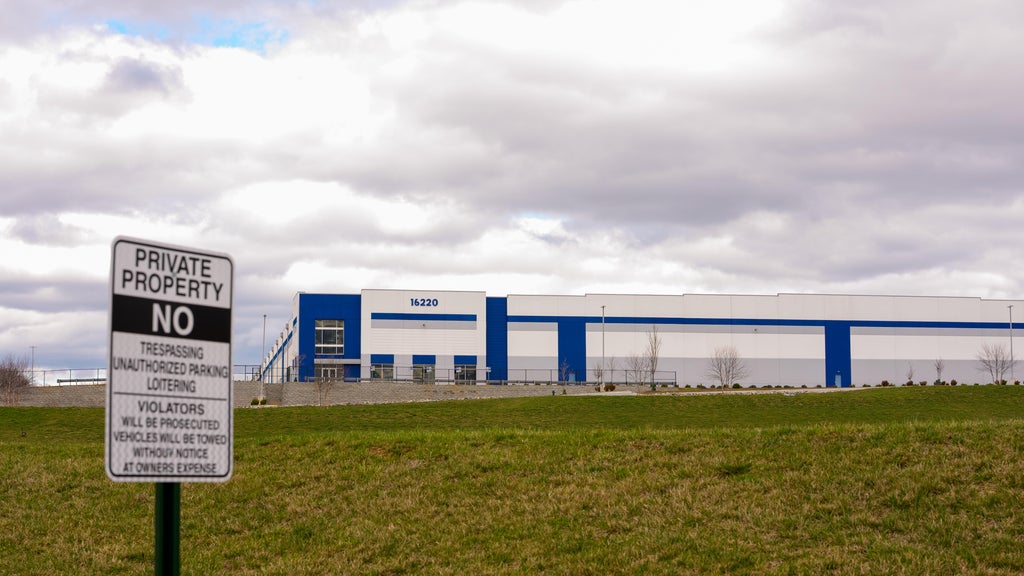
- GAO highlighted that $1.07 billion was advanced to buy 11 warehouses that were later abandoned, leaving about $20 million in unrecoverable costs.
- The GAO cited unused tent facilities at Guantánamo Bay that cost between $2.85 million and $3 million.
- The report stated that ICE shifted about $2.2 billion toward buying CoreCivic detention facilities, and that $1.55 billion remained held in escrow.
- GAO flagged what it described as excessive per-detainee reimbursement rates at some facilities, including those in Florida and at some privately run and Bureau of Prisons sites.
- GAO warned that ICE lacks a comprehensive strategic plan to manage a large detention expansion, increasing the risk of further waste and poor contracting decisions.
- ICE told GAO that it does not expect its strategic plan to be finished until Aug. 31, 2027.
Why This Matters
- It raises questions about how much emergency-style immigration enforcement spending should be permitted without upfront analysis and clear goals.
- Big purchases and long-term contracts can shape detention policy for years, even if projections change or facilities remain unused.
- Claims of inflated per-person payments increase pressure to demonstrate that detention funding secures safe, usable capacity rather than merely incurring higher costs for the same results.
- The findings provide Congress with a basis to tighten rules, demand reporting, or block funding until ICE demonstrates a workable plan and adequate oversight.