



IMMIGRATION
ICE policy limits body-camera video release to cases it deems in its 'best interests'
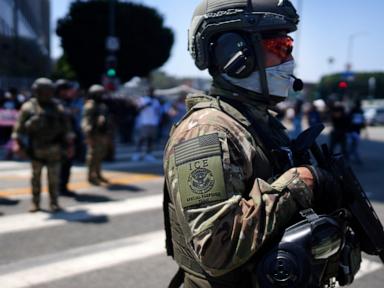
ICE is rolling out body-worn cameras to field officers nationwide, but its policy says videos—including from shootings—will be released only when agency leaders decide it is in ICE’s “best interests,” allowing redactions and possible delays or withholding.
ICE is rolling out body-worn cameras to field officers nationwide, but its policy says videos—including from shootings—will be released only when agency leaders decide it is in ICE’s “best interests,” allowing redactions and possible delays or withholding.
Corroboration
LowMedHigh






Confirmed by 27+ sources.
What This is
- ICE is deploying body-worn cameras nationwide, with the rollout expected to be completed by the end of September.
- ICE policy says video will be released only if ICE leadership decides releasing it is in the agency’s “best interests.”
- The policy requires officers to activate cameras during enforcement actions such as arrests, search warrants, and other routine operations.
- The policy covers serious incidents, including shootings or other events causing death or serious injury, but still allows ICE to delay or withhold release.
- The policy allows broad redactions, including masking officers’ identifying features, which critics say could reduce public accountability.
- ICE’s camera program includes a roughly $30.9 million purchase of Axon equipment, funded in part through congressional appropriations.
- The rollout comes amid heightened scrutiny after fatal encounters and amid claims that families and the public have struggled to get records in past ICE shootings.
Why This Matters
- It shapes whether the public can independently check ICE’s account after shootings, injuries, and contested stops.
- It tests a basic rule of oversight: the agency being recorded also controls what people get to see.
- It affects trust in immigration enforcement, especially in communities that already fear profiling and unequal treatment.
- It sets expectations for how federal law enforcement balances transparency against privacy, officer safety, and ongoing investigations.