



IRAN
House Republican leaders withdraw resolution on Iran
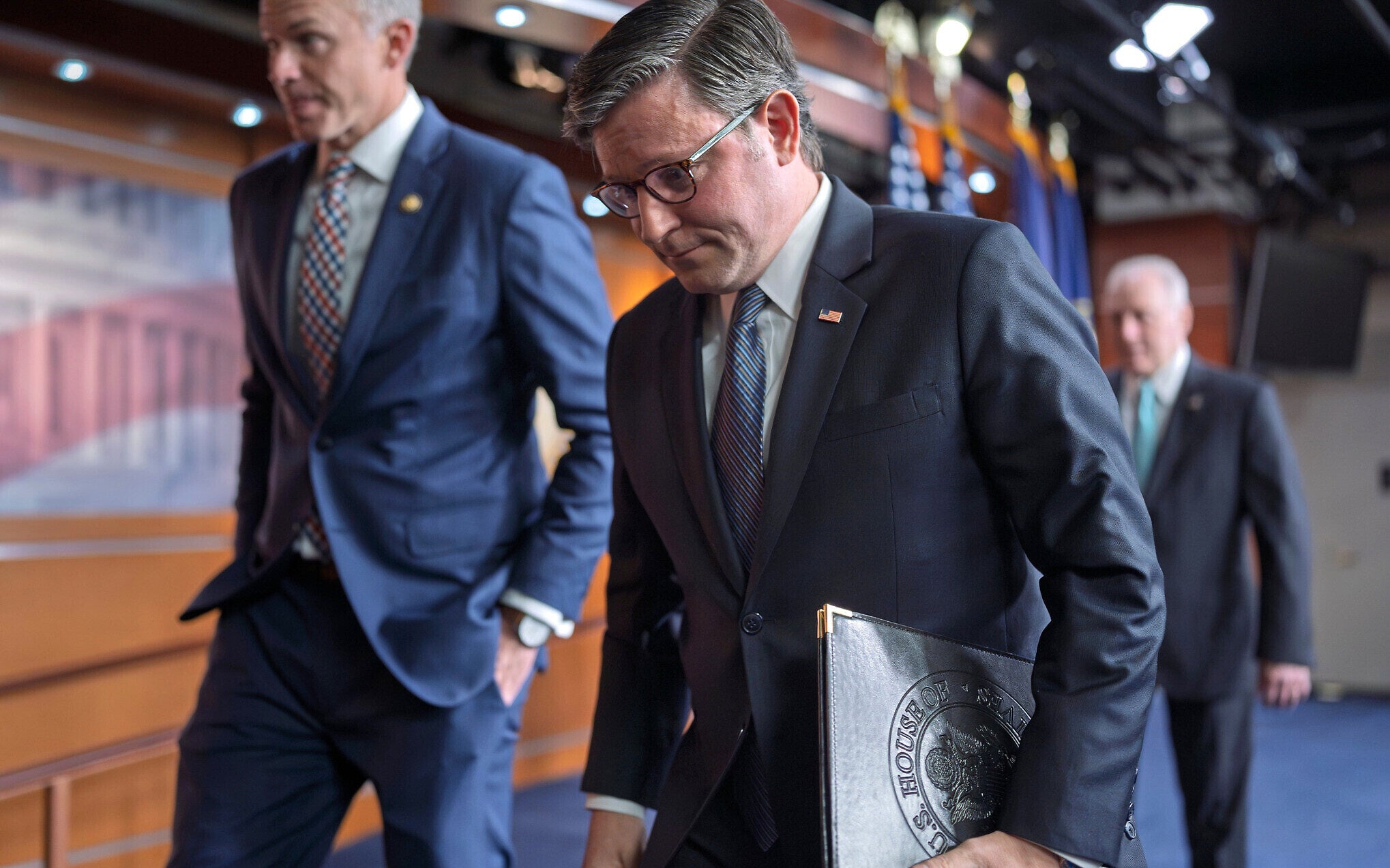
House Republican leaders withdrew a planned vote on a Democratic war-powers resolution seeking to force President Trump to end or scale back U.S. military involvement in Iran.
House Republican leaders withdrew a planned vote on a Democratic war-powers resolution seeking to force President Trump to end or scale back U.S. military involvement in Iran.
Corroboration
LowMedHigh






Confirmed by 25+ sources.
What This is
- House Republican leaders withdrew a planned vote on a Democratic war-powers resolution seeking to force President Trump to end or scale back U.S. military involvement in Iran.
- The canceled House vote involved a bid to block or dismiss the resolution because party leaders concluded they lacked enough votes to defeat it, pushing consideration into June after the Memorial Day recess.
- The resolution relies on the 1973 War Powers law, which is meant to require congressional authorization for extended hostilities and can set a withdrawal deadline when Congress has not approved the action.
- A small but consequential number of Republicans have signaled support for war-powers limits, highlighting growing intraparty dissent over the administration’s handling of the Iran conflict.
- The Senate voted 50–47 to advance a similar war-powers measure requiring Trump to seek congressional approval for further action in Iran or withdraw U.S. forces, with rare Republican support.
- The White House has argued the war-powers requirements no longer apply because there is a ceasefire, while lawmakers continue to dispute who has authority to continue or end the operation.
- Even if war-powers resolutions pass, they are described as hard to turn into binding constraints because the president can veto them and final enactment is considered unlikely.
Why This Matters
- The dispute tests how far U.S. presidents can conduct sustained hostilities without a clear vote by Congress.
- It affects democratic accountability by determining whether elected lawmakers can force transparency and limits on military escalation.
- Visible Republican splits signal potential shifts in coalition politics around national security, affecting policy continuity.
- Even symbolic votes can shape bargaining power, constrain future decisions, and influence international perceptions of U.S. resolve and restraint.