



JUSTICE PUBLIC SAFETY
House rejects constitutional amendment to permanently cap Supreme Court at 9 justices
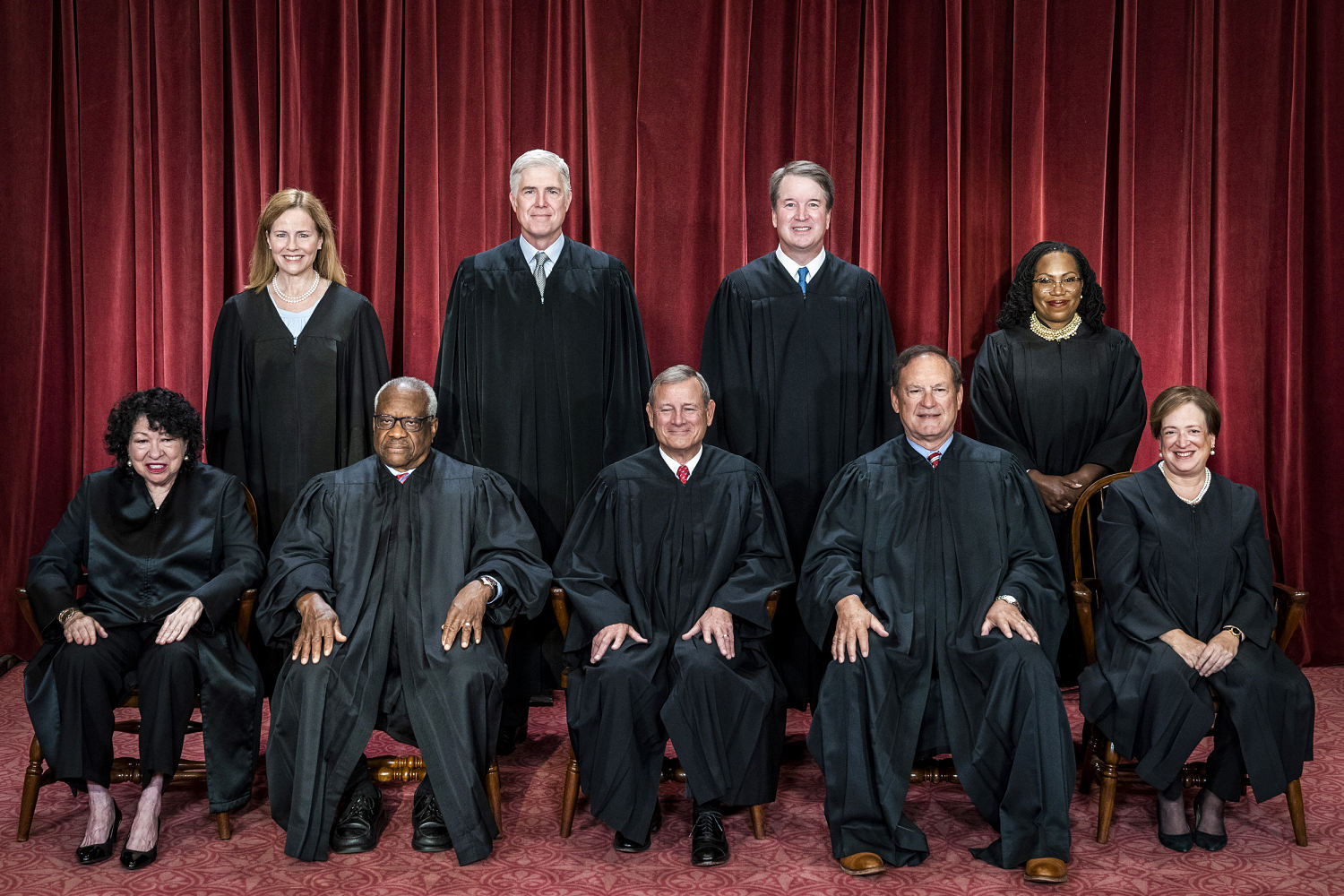
The U.S. House voted 212-206 on a Republican proposal to amend the Constitution to permanently cap the Supreme Court at nine justices, but it failed because amendments need a two-thirds House vote to advance.
The U.S. House voted 212-206 on a Republican proposal to amend the Constitution to permanently cap the Supreme Court at nine justices, but it failed because amendments need a two-thirds House vote to advance.
Corroboration
LowMedHigh






Confirmed by 10+ sources.
What This is
- The House failed to advance a constitutional amendment that would permanently cap the Supreme Court at nine justices.
- The measure passed by a simple majority, 212-206, but constitutional amendments need a two-thirds House vote to move forward.
- Republican leaders backed the effort, including Speaker Mike Johnson, and the resolution was sponsored by Rep. Andy Biggs.
- Republicans framed the proposal as a way to prevent future “court packing,” meaning adding seats to shift the court’s ideological balance.
- Democrats opposed the amendment, saying Congress has long set the number of justices and should not give up that power by writing a fixed number into the Constitution.
- Some Democrats and progressive groups have discussed expanding the court in response to recent conservative rulings, which Republicans cited as a reason for the amendment.
- Several accounts described the vote as partly a pre-election messaging move, since a constitutional amendment would still face steep odds in the Senate and would need approval by the states.
Why This Matters
- It keeps alive a long-running fight over whether changing the court’s “rules” is fair play or political rigging.
- It highlights a basic power question: whether Congress should keep the ability to change the court’s structure as conditions change.
- It shows how court legitimacy debates now spill into election politics, with votes used to force public positions even when passage is unlikely.
- It reflects how trust in the courts is tied to who controls them, not just how judges rule in individual cases.