



RUSSIA UKRAINE
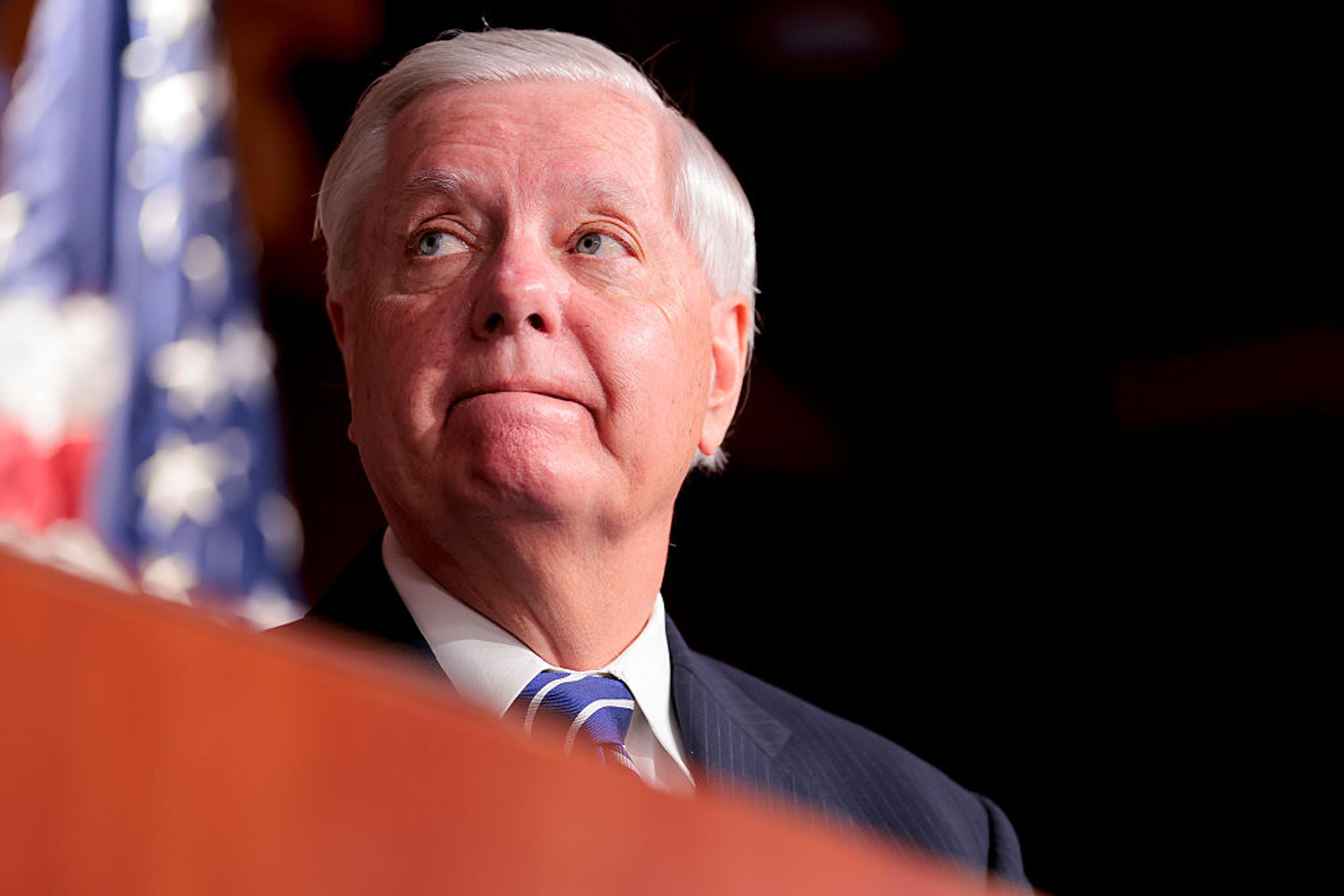
House passes Russia and Iran sanctions bill honoring Lindsey Graham
The U.S. House passed the Lindsey O. Graham Sanctioning Russia and Iran Act of 2026, sending it to President Donald Trump and giving him new power to sanction Russia and impose up to 100% tariffs on major buyers of Russian oil and gas.
The U.S. House passed the Lindsey O. Graham Sanctioning Russia and Iran Act of 2026, sending it to President Donald Trump and giving him new power to sanction Russia and impose up to 100% tariffs on major buyers of Russian oil and gas.
Corroboration
LowMedHigh






Confirmed by 56+ sources.
What This is
- The House approved the Russia-and-Iran sanctions bill 262–159 after the Senate passed it, sending it to President Trump, who is expected to sign it.
- The measure expands sanctions on Russian officials, oligarchs, banks, and parts of Russia’s energy and defense systems, including ships used to move oil while dodging restrictions.
- It gives the president authority to impose tariffs of up to 100% on countries that are among the biggest buyers of Russian oil or natural gas, aiming to push those buyers to cut purchases.
- China and India are among the countries most exposed because they are major buyers of Russian energy and could face new U.S. trade penalties if the president uses the authority.
- Supporters say the bill is meant to cut off money for Russia’s war in Ukraine by shrinking Russia’s oil-and-gas income and increasing pressure on President Vladimir Putin.
- India has warned that U.S. tariff threats could strain bilateral ties and says it will protect its trade and economic interests.
- The bill also extends or reinforces U.S. sanctions authorities aimed at Iran’s energy and weapons sectors, alongside the Russia measures.
Why This Matters
- It raises the pressure on Russia by trying to cut the oil-and-gas money that helps keep its war going.
- It could turn sanctions into a broader trade fight by threatening major economies that still buy Russian energy.
- It tests how far the U.S. should use tariffs as a foreign-policy tool, since tariffs can also raise prices and trigger retaliation.
- It may strain key partnerships, especially with India, as Washington weighs Russia policy against energy needs and other strategic ties.