



NATIONAL SECURITY
Gunman killed after opening fire near White House checkpoint; investigation ongoing
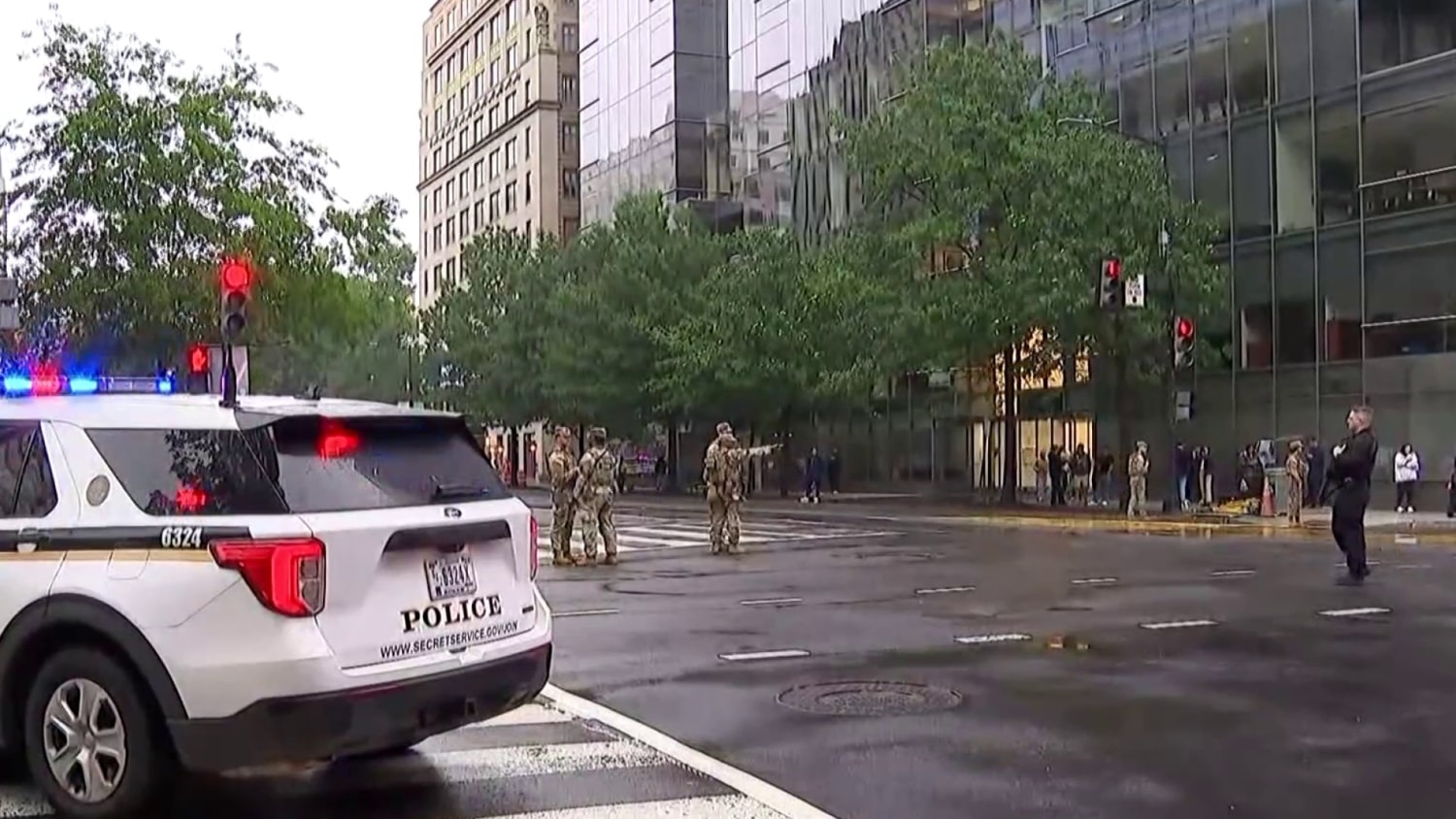
A gunman opened fire at a U.S. Secret Service security checkpoint near the White House and was fatally shot by Secret Service personnel after an exchange of gunfire.
A gunman opened fire at a U.S. Secret Service security checkpoint near the White House and was fatally shot by Secret Service personnel after an exchange of gunfire.




What This is
- A gunman opened fire at a U.S. Secret Service security checkpoint near the White House and was fatally shot by Secret Service personnel after an exchange of gunfire.
- The suspect was transported to a hospital and later pronounced dead, while a bystander was struck and injured during the incident.
- President Donald Trump was inside the White House at the time and was not injured, and no Secret Service agents were reported injured.
- The White House complex and nearby area were briefly locked down, with streets blocked and journalists and bystanders moved to shelter as the scene was secured.
- Law enforcement and media identified the suspect as 21-year-old Nasire Best from Maryland, and officials said the FBI is assisting the Secret Service investigation.
- Reports say Best had prior encounters with the Secret Service and documented mental-health issues, including prior psychiatric interventions.
- Court documents and officials cited a prior stay-away order barring Best from the White House area, and some reports noted an outstanding bench warrant.
- Officials have not announced a motive, while some reports describe social-media posts in which Best made grandiose claims and appeared to threaten Trump or reference the White House.
- Trump praised the Secret Service response, and some coverage framed the shooting as part of a recent string of security incidents and political violence around Trump.
Why This Matters
- The incident tests the resilience and response speed of protective security at the seat of U.S. executive power.
- Repeated security scares near national political leaders can erode public confidence and increase political polarization and fear.
- The case highlights hard policy tradeoffs in handling people flagged for mental-health crises while protecting public spaces.
- How investigators explain motive and prior warning signs can shape future rules for threat reporting and interagency coordination.