



AI
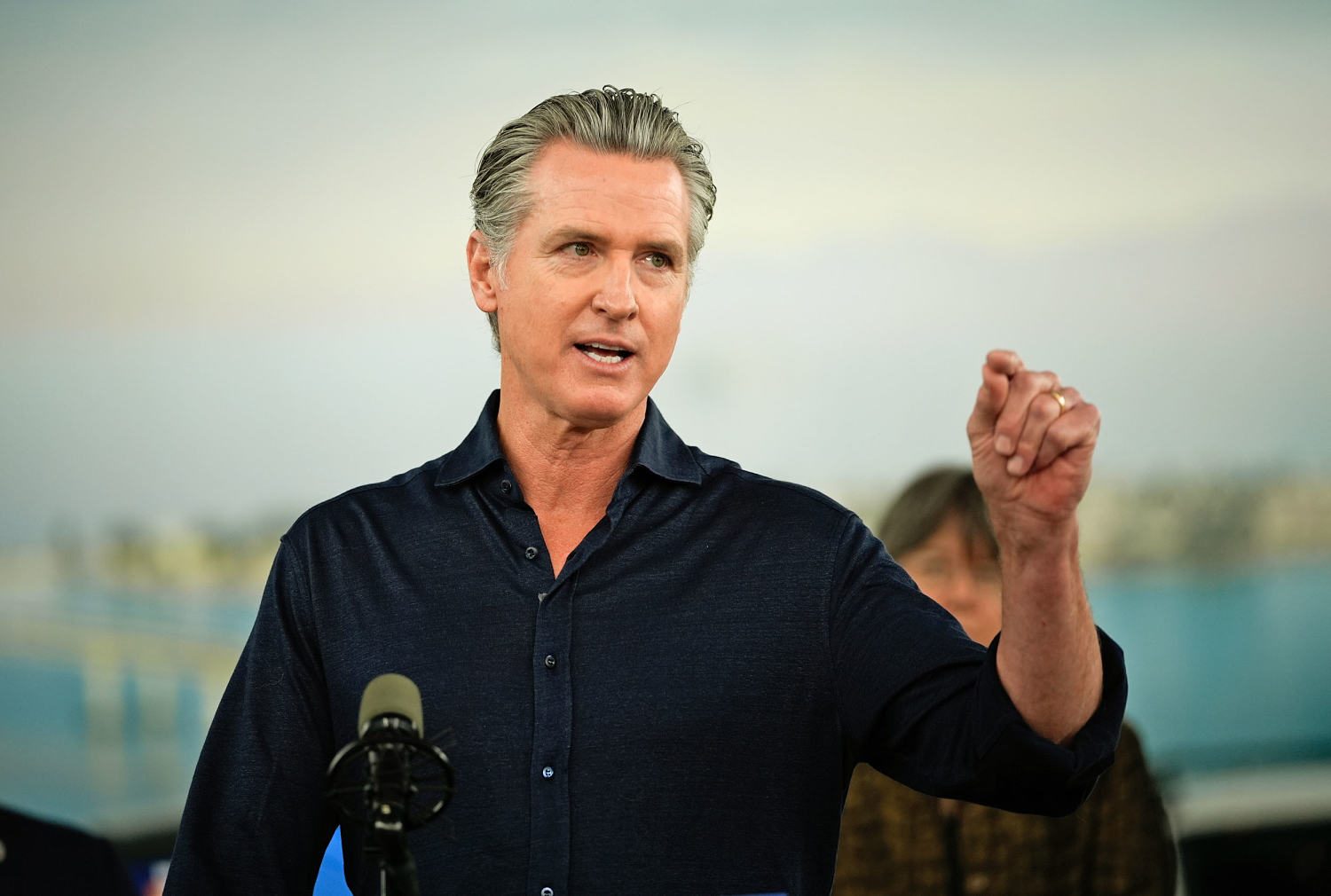
Gov. Newsom issues executive order to advance AI regulation, "kill switch" in California
California Gov. Gavin Newsom signed an executive order launching a fast-track effort to tighten oversight of advanced AI, including a plan due within about two months that could recommend third-party safety audits and an emergency “kill switch” for some powerful systems.
California Gov. Gavin Newsom signed an executive order launching a fast-track effort to tighten oversight of advanced AI, including a plan due within about two months that could recommend third-party safety audits and an emergency “kill switch” for some powerful systems.
Corroboration
LowMedHigh






Confirmed by 16+ sources.
What This is
- Newsom’s executive order sets up an expert-led process to draft stronger AI safety and security rules for California on a short timeline.
- The order focuses on “frontier” AI models, meaning the most powerful, cutting-edge systems that could pose higher risks.
- One idea under review is an emergency “kill switch” that could shut down certain advanced AI systems if they show dangerous loss of control or other severe problems.
- The order also highlights independent third-party audits and verification of safety plans as possible requirements for developers of powerful AI.
- It calls for stronger reporting and tracking of serious AI incidents, including a broader definition of what counts as a critical safety event.
- The plan could feed into more state action, including legislative hearings and the possibility of a special legislative session.
- The push comes after recent safety concerns and incidents cited by officials and outlets, and after Newsom previously vetoed a 2024 kill-switch bill over innovation worries.
Why This Matters
- California often sets de facto rules for tech because many leading AI firms operate there.
- Independent audits could increase transparency, but they also raise costs and create new compliance burdens for AI developers.
- The debate highlights a bigger question: how much risk society should accept for faster AI progress.
- State action may widen gaps across the U.S. if federal lawmakers do not set a national baseline.