



ENVIRONMENT
Glacier collapse triggers deadly floods across Nepal and Tibet
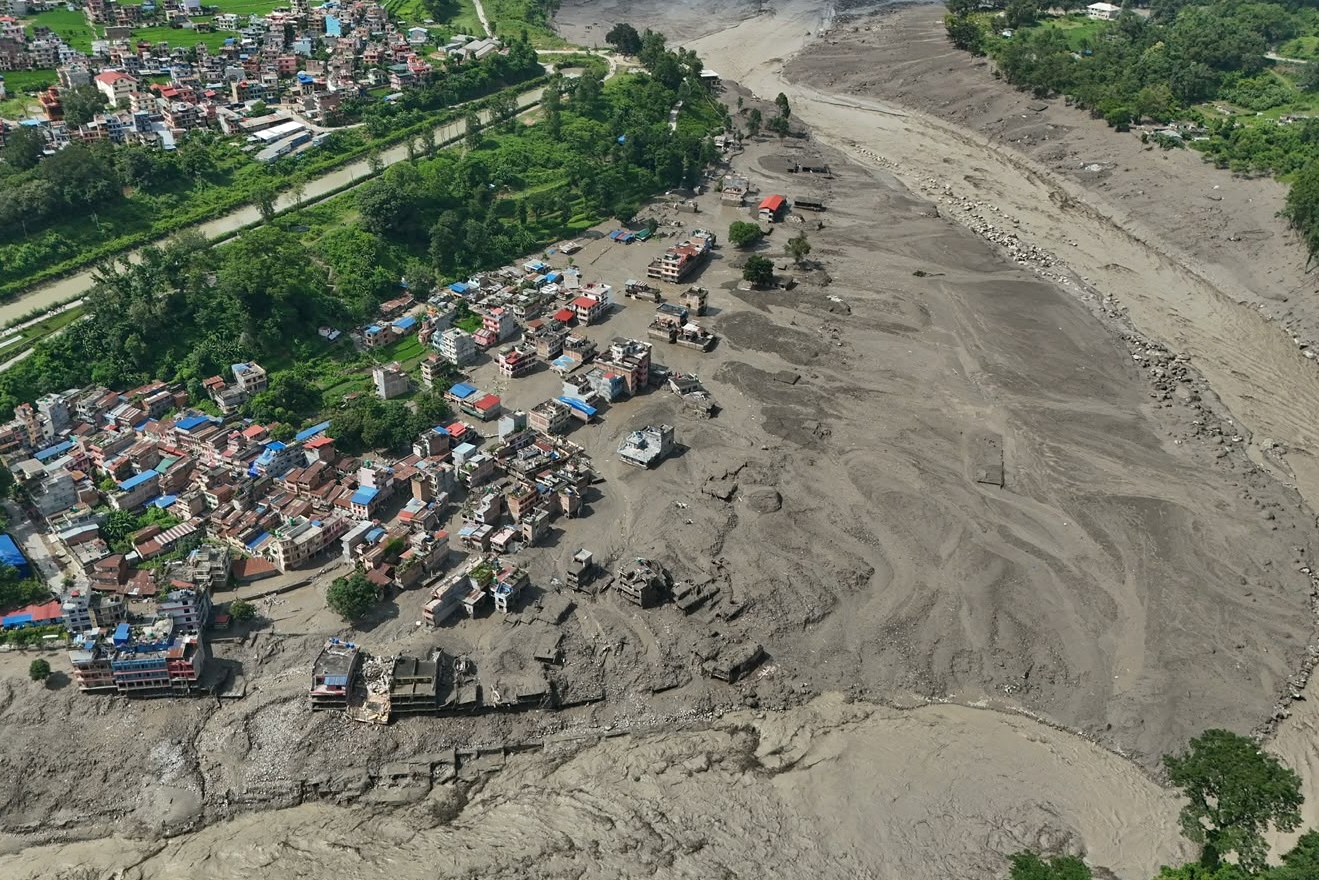
A glacier-related collapse on the Nepal–Tibet border sent torrents of water, mud, and debris into river valleys, causing deadly flash floods, widespread infrastructure damage, and a large cross-border search for missing residents and foreign visitors.
A glacier-related collapse on the Nepal–Tibet border sent torrents of water, mud, and debris into river valleys, causing deadly flash floods, widespread infrastructure damage, and a large cross-border search for missing residents and foreign visitors.
Corroboration
LowMedHigh






Confirmed by 46+ sources.
What This is
- A mass of ice, rock, and mud collapsed high in the Himalayas near the Nepal–Tibet border and triggered sudden flash floods downstream.
- Death toll and missing counts vary by source, with many reports putting deaths in the hundreds and missing people in the thousands across Nepal and Tibet.
- Many of those reported missing are foreign tourists, trekkers, or pilgrims from dozens of countries, prompting consular support and international coordination.
- The floodwaters destroyed or buried homes, roads, bridges, and hydropower infrastructure, cutting off some areas and slowing rescue work.
- Rescue efforts include helicopter evacuations and ground searches by Nepal and China, with help and aid offers from the U.N. and nearby countries including India.
- Scientists used satellite imagery and seismic data to support a glacier detachment or ice-rock avalanche as the trigger, with some describing a river blockage followed by a sudden release.
- The collapse produced seismic signals that were initially treated like an earthquake by some monitoring systems before being reclassified by the US Geological Survey as a glacial event.
- Experts say warming in the Himalayas is accelerating glacier melt and may be making such disasters more likely, though some scientists caution it is too early to blame climate change for this single event.
Why This Matters
- It highlights how fast mountain hazards can cross borders and overwhelm local emergency systems.
- It raises urgent questions about how to warn and protect people downstream from sudden glacier and landslide failures.
- It puts a spotlight on how warming temperatures may change risks in the Himalayas, where millions depend on rivers fed by snow and ice.
- It could reshape tourism and pilgrimage planning, since many missing are foreign visitors traveling in remote valleys.