



JUSTICE PUBLIC SAFETY
Former OpenAI engineer faces federal charges over secret conference-room recording
Federal prosecutors charged former OpenAI engineer Abdulrahman Alfozan after investigators revealed he concealed encrypted audio recording devices inside an executive conference room at the company’s San Francisco headquarters to intercept sensitive meetings.
Federal prosecutors charged former OpenAI engineer Abdulrahman Alfozan after investigators revealed he concealed encrypted audio recording devices inside an executive conference room at the company’s San Francisco headquarters to intercept sensitive meetings.
Corroboration
LowMedHigh






Confirmed by 56+ sources.
What This is
- Federal agents arrested Abdulrahman Alfozan, a Saudi national and OpenAI engineer, after a hidden audio recording device was found in an executive conference room at OpenAI’s San Francisco office.
- Prosecutors charged Alfozan with attempting to illegally intercept in-person communications, a federal offense carrying up to five years in prison, substantial fines, and three years of supervised release.
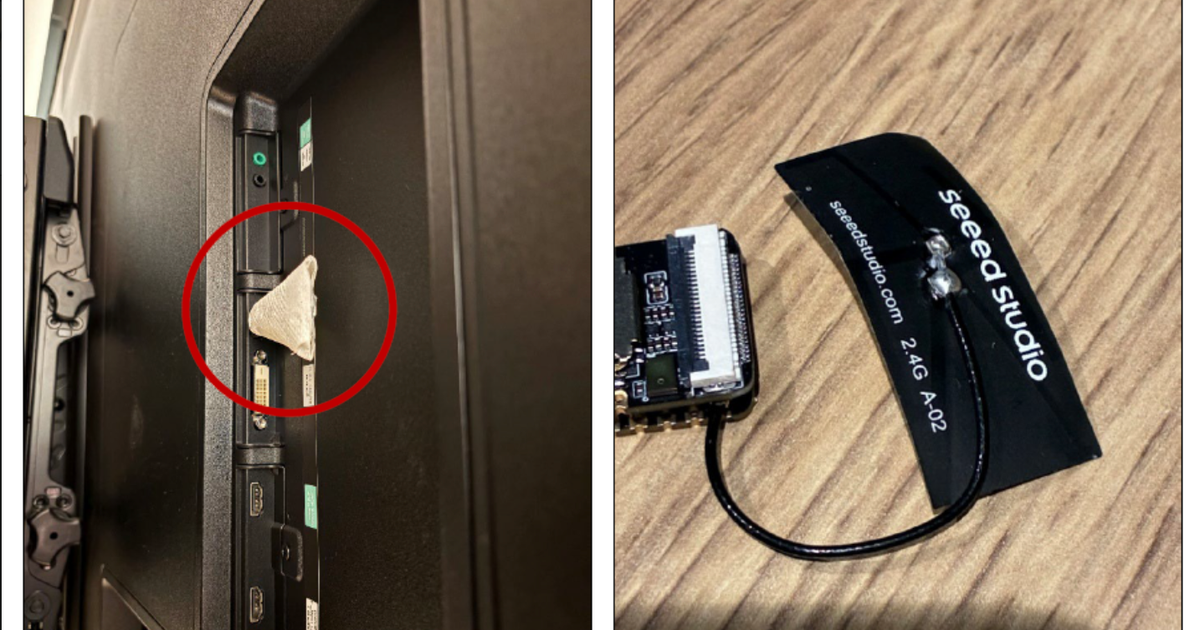
- Court filings reveal investigators recovered two encrypted audio recorders configured to store and transfer sound—one plugged into a television USB port in the conference room and another inside Alfozan’s backpack.
- Prosecutors cited evidence linking Alfozan to the operation, including security footage of him checking behind the television, as well as chatbot search logs detailing how to assemble and hide listening devices.
- Court records indicate Alfozan booked a one-way flight to Saudi Arabia shortly before his Oct. 9 arrest, leading prosecutors to detain him as a significant flight risk.
- OpenAI stated it identified Alfozan using internal AI tools, immediately terminated his employment, and referred the findings to the FBI.
- OpenAI and federal investigators confirmed there is no evidence that proprietary model weights, algorithmic source code, or customer data were accessed or stolen.
Why This Matters
- It highlights how insider access can expose sensitive discussions even without a computer hack.
- It may push major tech firms to tighten physical security in offices, not just cybersecurity.
- It adds pressure to treat leading AI work like critical infrastructure, pulling private companies deeper into national security rules and oversight.
- It raises fresh questions about how easy it is to use everyday AI tools to plan wrongdoing.