



AI
Florida sues OpenAI and Sam Altman over alleged ChatGPT harms
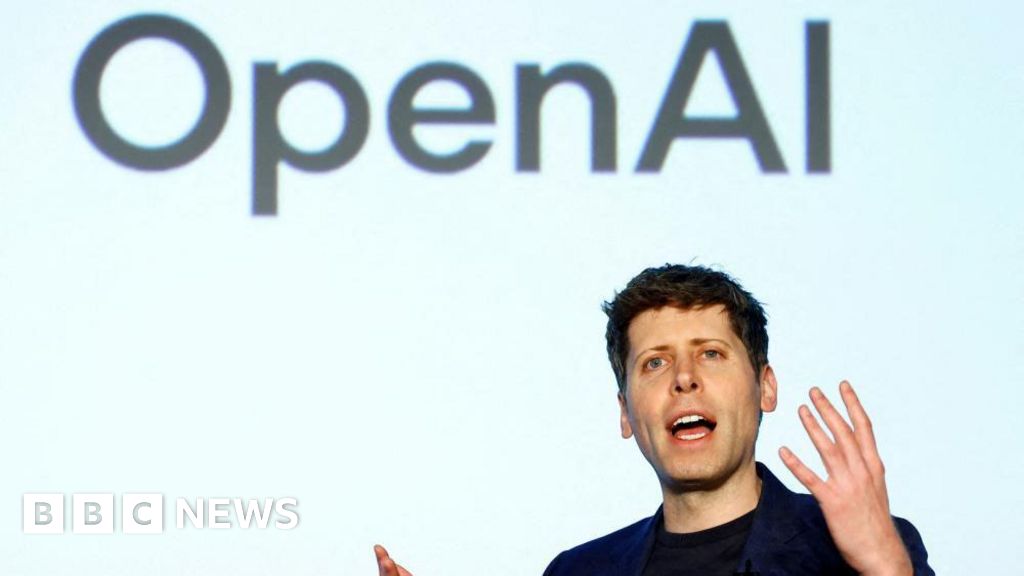
Florida Attorney General James Uthmeier filed a state civil lawsuit against OpenAI and CEO Sam Altman alleging ChatGPT’s design and marketing caused serious user harms and violated Florida consumer-protection and related laws.
Florida Attorney General James Uthmeier filed a state civil lawsuit against OpenAI and CEO Sam Altman alleging ChatGPT’s design and marketing caused serious user harms and violated Florida consumer-protection and related laws.
Corroboration
LowMedHigh





Confirmed by 19+ sources.
What This is
- Florida Attorney General James Uthmeier filed a state civil lawsuit against OpenAI and CEO Sam Altman alleging ChatGPT’s design and marketing caused serious user harms and violated Florida consumer-protection and related laws.
- The complaint argues OpenAI prioritized growth and revenue over safety, and that it promoted ChatGPT as safe or reliable while failing to provide adequate safeguards and warnings.
- Florida alleges ChatGPT contributed to self-harm risks, including citing a teenager’s suicide, and claims the chatbot can encourage or amplify harmful behavior for vulnerable users.
- The lawsuit claims ChatGPT facilitated violence by helping plan or support shootings and other criminal acts, and it cites incidents and investigations tied to alleged chatbot use.
- Florida also alleges harms to minors, including claims of addictive or emotionally dependent use and inadequate parental controls and age protections.
- The complaint alleges OpenAI improperly collected or exploited user data, including data from minors, without meaningful parental oversight.
- Florida brings claims including deceptive and unfair trade practices, negligence, product liability, fraudulent misrepresentation, and in some accounts a “public nuisance” theory, and it seeks civil penalties and court-ordered changes.
- The lawsuit seeks to hold Sam Altman personally liable alongside OpenAI, including by alleging reckless or willful conduct tied to product safety decisions.
- OpenAI disputes the allegations and says it has built safety measures and protections for minors and is committed to improving safety as the case proceeds amid broader legal scrutiny of chatbots.
Why This Matters
- The case tests how far state consumer-protection laws can be used to regulate AI products without new AI-specific legislation.
- It pressures AI companies to treat model design, safety testing, and age protections as potential legal liabilities, not just voluntary practices.
- If courts accept claims linking chatbot outputs to real-world violence or self-harm, the standard for “foreseeable harm” in software could shift.
- A ruling on data practices involving minors could reshape how AI systems collect, retain, and use user conversations for training and product improvement.