



IMMIGRATION
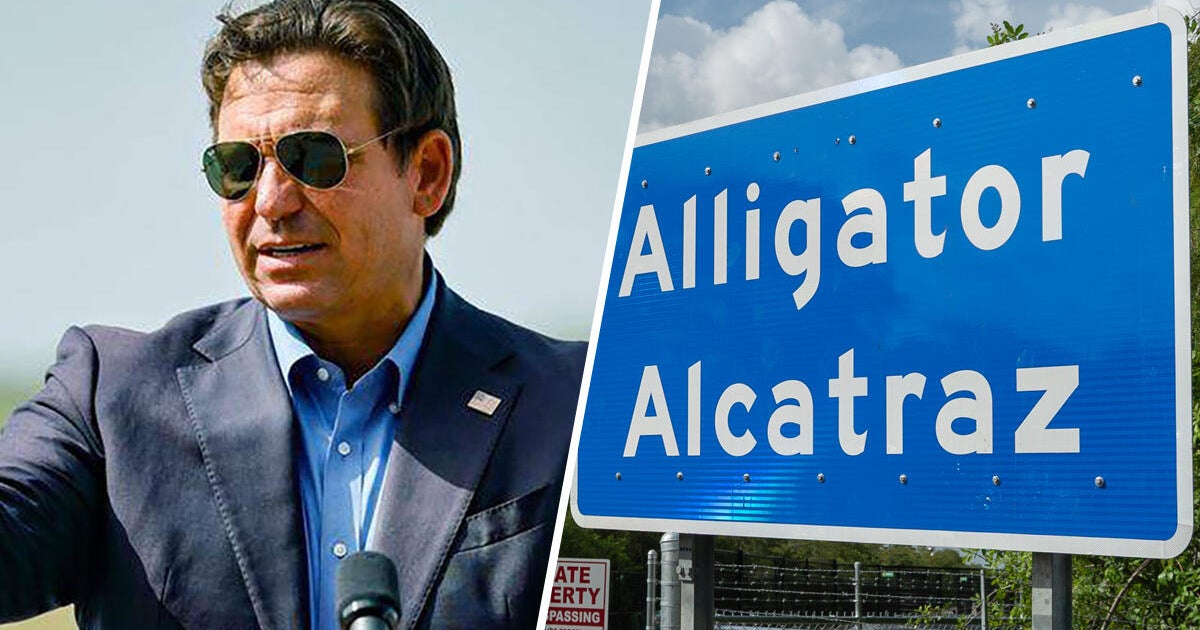
Florida closes 'Alligator Alcatraz' immigration detention center
Florida has shut down and is dismantling the Everglades immigration detention center nicknamed “Alligator Alcatraz,” after about a year in operation.
Florida has shut down and is dismantling the Everglades immigration detention center nicknamed “Alligator Alcatraz,” after about a year in operation.
Corroboration
LowMedHigh






Confirmed by 29+ sources.
What This is
- Florida has shut down and is dismantling the Everglades immigration detention center nicknamed “Alligator Alcatraz,” after about a year in operation.
- State and federal officials said all detainees were relocated to other facilities and contractors were ordered to start full demobilization, with the site expected to be dismantled within weeks.
- Advocates, lawyers, and some detainees alleged unsafe and unsanitary conditions and limited access to legal counsel at the remote Everglades site.
- Environmental groups sued, alleging required permits and reviews were skipped and that the project harmed sensitive wetlands around Big Cypress and the Everglades.
- Reporting also raised questions about contractor influence, including a major vendor’s political donations to Miami-Dade commissioners while receiving large state contracts tied to the facility.
Why This Matters
- The shutdown tests how far states can go in building and operating large detention sites alongside federal immigration authorities.
- It raises accountability questions about who pays, who audits, and who answers when state-run detention depends on uncertain federal reimbursement.
- It highlights the tension between fast detention expansion and basic safeguards like safe conditions, access to lawyers, and continuity of immigration court hearings.
- The land and wetlands disputes show how border-enforcement infrastructure can reshape local control and protected ecosystems long after a facility closes.