



GOVERNMENT TRANSPARENCY
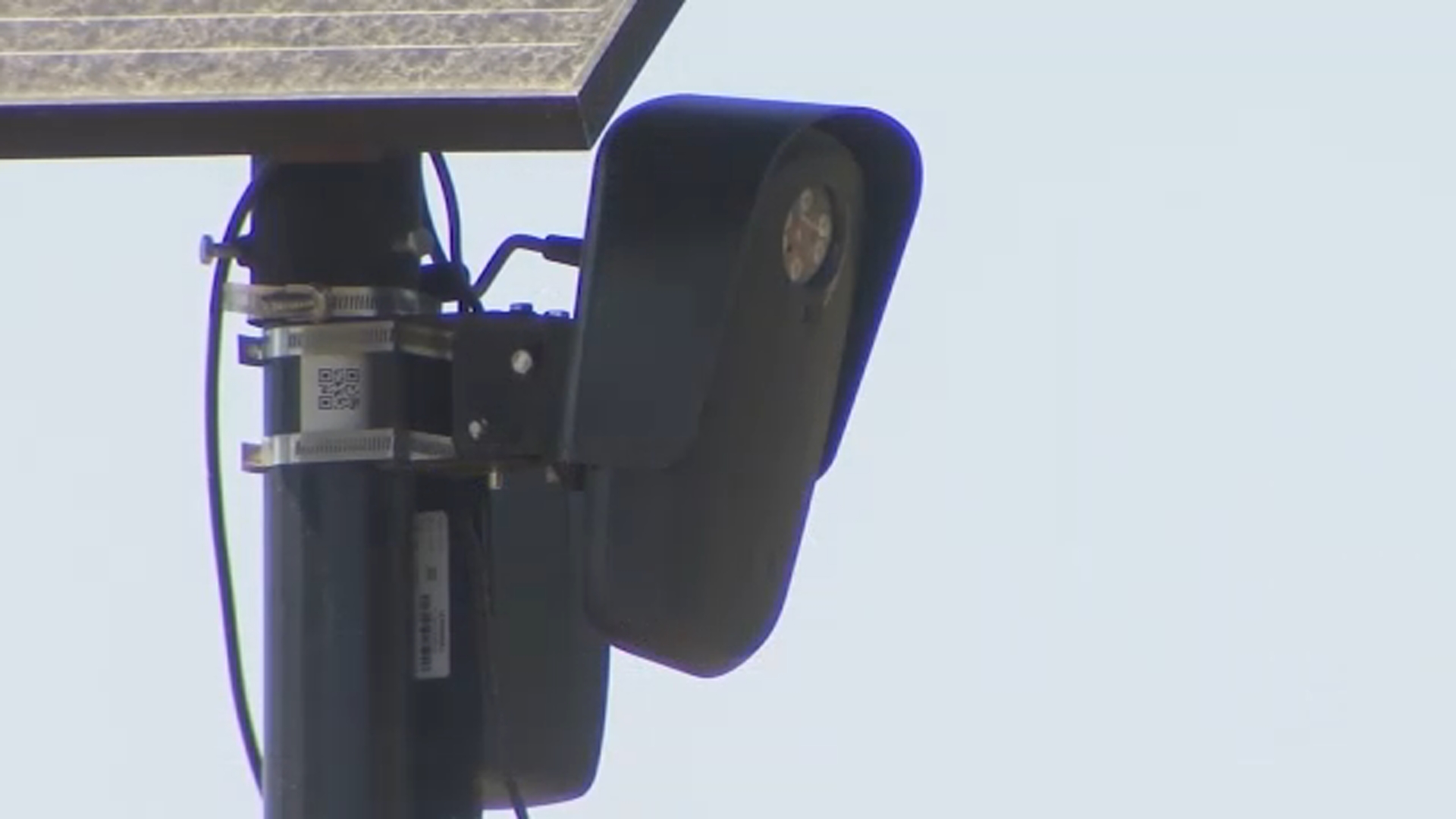
Flock Safety cameras draw scrutiny from communities across the U.S.
Flock cameras take still images of vehicles and read license plates to let police search where a car has been, often through a shared network.
Flock cameras take still images of vehicles and read license plates to let police search where a car has been, often through a shared network.
Corroboration
LowMedHigh






Confirmed by 19+ sources.
What This is
- Flock cameras take still images of vehicles and read license plates to let police search where a car has been, often through a shared network.
- Misuse cases are driving scrutiny: in Georgia, at least 18 officers have been arrested for allegedly misusing Flock data, and Flock says an audit tool helped flag improper searches.
- In Sumter County, Florida, a detective was arrested and fired for allegedly using Flock and other databases for personal reasons, and the sheriff suspended Flock use during a wider audit.
- Some jurisdictions are expanding Flock deployments, saying the cameras help solve crimes and find missing people more quickly.
- Irmo, South Carolina approved a contract to add 22 new Flock cameras despite vocal public opposition focused on privacy and reports of misuse elsewhere.
Why This Matters
- The debate weighs public safety gains against the risk of routine tracking of ordinary people’s movements.
- Weak or unclear rules on who can search the data, how long it is kept, and who it is shared with can turn a crime tool into broad surveillance.
- Misuse by officers can undermine trust and raise questions about whether internal audits are enough accountability.
- When vendors control storage and networks span many agencies, it gets harder for local voters and courts to see how surveillance is used.