



IMMIGRATION
Federal report finds mismanagement and waste at major ICE detention facility
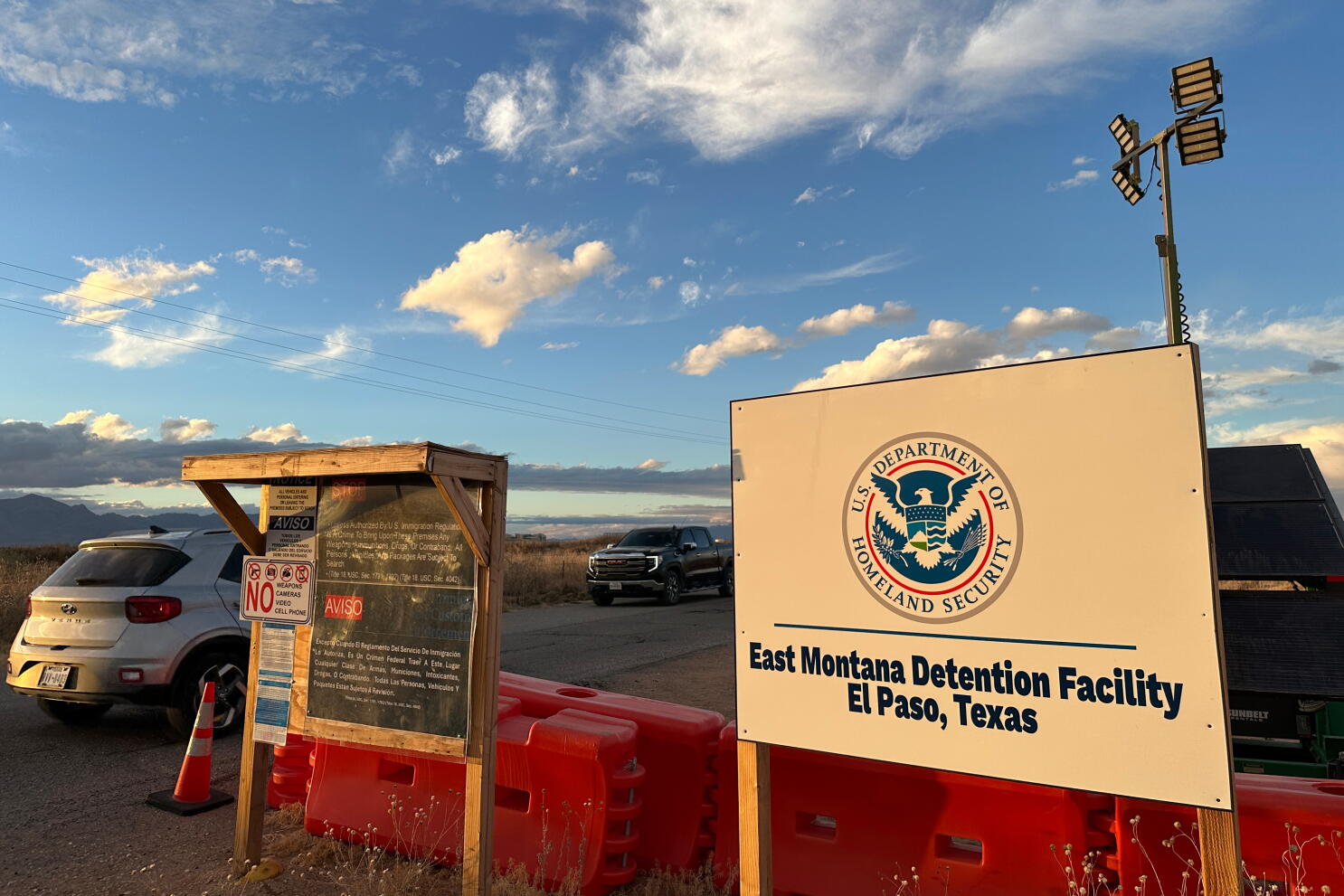
A federal Government Accountability Office audit found serious mismanagement, safety risks, and millions in waste at Camp East Montana, a major ICE detention facility at Fort Bliss in El Paso, Texas.
A federal Government Accountability Office audit found serious mismanagement, safety risks, and millions in waste at Camp East Montana, a major ICE detention facility at Fort Bliss in El Paso, Texas.
Corroboration
LowMedHigh






Confirmed by 28+ sources.
What This is
- A federal Government Accountability Office audit found serious mismanagement, safety risks, and millions in waste at Camp East Montana, a major ICE detention facility at Fort Bliss in El Paso, Texas.
- The audit said the facility opened without meeting key detention standards and suffered from weak oversight, including inadequate inspections and contract management.
- Auditors documented unsafe and unsanitary conditions, staffing shortages, and inadequate medical screening and care, including reported lapses in monitoring and a tuberculosis outbreak.
- The GAO report linked security and documentation failures to serious incidents, including missing or destroyed use-of-force and death evidence and a reported lost loaded firearm.
- The report documented three detainee deaths at the facility, including cases described as a homicide and a suicide in some coverage.
- The audit described millions of dollars in potentially wasted spending, including over-purchasing meals and paying for guards, medical services, transportation, and meals before detainees arrived.
- The audit attributed part of the waste and operational problems to rushed procurement, including an expedited contract that one account said was worth $1.3 billion and went to a company without detention experience.
- An ICE Office of Detention Oversight inspection also found violations of detention standards, and federal officials said they were taking lessons from the Camp East Montana experience.
Why This Matters
- Detention conditions and oversight determine whether the government is meeting its duty of care to people it holds in custody.
- Large-scale contract failures raise questions about how emergency immigration capacity is procured and monitored, and who is accountable when standards are not met.
- Reported safety and evidence-handling breakdowns affect the credibility of internal investigations and the ability of families and courts to assess harm.
- Waste in detention operations can divert limited public resources from lawful processing, alternatives to detention, and health and safety improvements.