



IMMIGRATION ENFORCEMENT
Federal prosecutors charge ICE agent for lying under oath about nonfatal Minnesota shooting
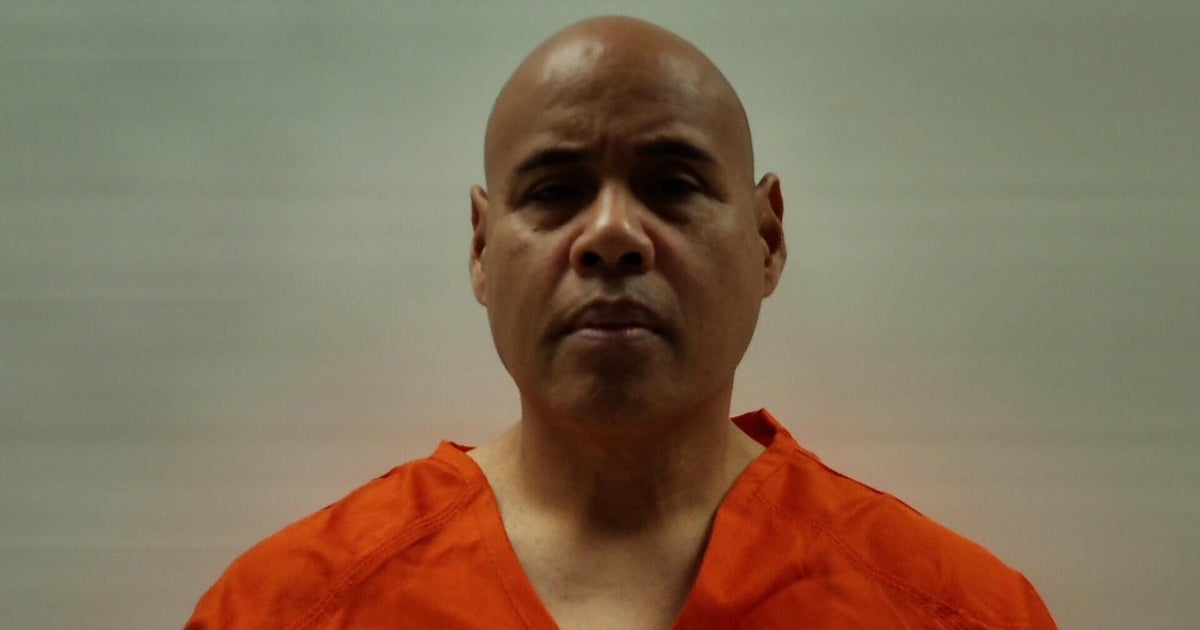
Federal prosecutors indicted ICE officer Christian Castro for allegedly lying under oath and to investigators about a January Minnesota immigration operation in which he shot through a door and wounded Julio Cesar Sosa-Celis, while Minnesota separately seeks to bring him back from Texas to face state charges.
Federal prosecutors indicted ICE officer Christian Castro for allegedly lying under oath and to investigators about a January Minnesota immigration operation in which he shot through a door and wounded Julio Cesar Sosa-Celis, while Minnesota separately seeks to bring him back from Texas to face state charges.
Corroboration
LowMedHigh






Confirmed by 6+ sources.
What This is
- Federal prosecutors charged ICE officer Christian Castro with making false statements about a January shooting during an immigration enforcement operation in Minnesota.
- Minnesota prosecutors say Castro fired through the door of a home and wounded 24-year-old Julio Cesar Sosa-Celis, described as a Venezuelan immigrant.
- Federal prosecutors said Castro was indicted on six counts tied to alleged false statements about the shooting.
- Authorities say video evidence contradicted officers’ early accounts of what happened, and it helped drive the false-statement case against Castro.
- Minnesota has also charged Castro with second-degree assault and falsely reporting a crime under state law.
- An extradition fight between Minnesota and Texas has delayed Castro being sent back to Minnesota, including after Texas Governor Greg Abbott declined to sign an extradition warrant.
Why This Matters
- The case centers on whether the public can trust what federal officers say under oath, especially when body and doorbell video can test official accounts.
- It highlights the risks of armed immigration raids in homes, where split-second decisions can injure people who were not the target.
- The extradition fight shows how politics and procedure can slow criminal cases when an accused officer is held in another state.
- The outcome could shape how aggressively agencies discipline agents and how prosecutors handle false statements in use-of-force incidents.