



ELECTIONS
Federal judge extends block on new USPS mail-in ballot restrictions
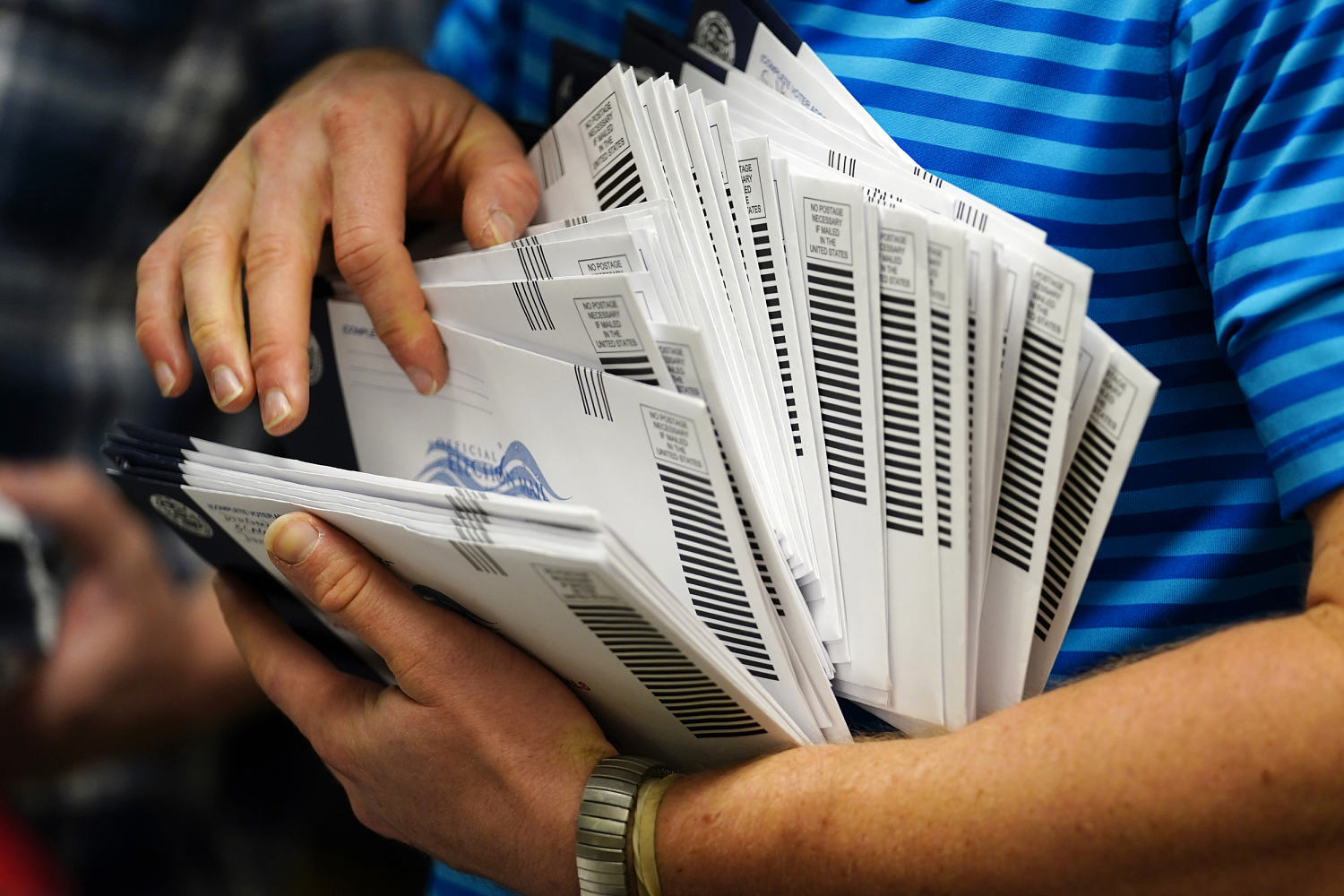
A federal judge has extended a court order blocking new U.S. Postal Service requirements for mail-in ballots tied to a Trump executive order, as the Justice Department seeks to overturn the block while states start sending midterm ballots.
A federal judge has extended a court order blocking new U.S. Postal Service requirements for mail-in ballots tied to a Trump executive order, as the Justice Department seeks to overturn the block while states start sending midterm ballots.
Corroboration
LowMedHigh






Confirmed by 10+ sources.
What This is
- Federal Judge Indira Talwani issued a preliminary injunction blocking a Trump-directed USPS rule that would change how states handle mail-in ballots.
- The blocked rule would require states to use a USPS online portal and new ballot designs, including barcode-based tracking steps.
- The judge said the rule was rushed, likely unlawful, and could lead to voters being disenfranchised in the 2026 midterms.
- The Justice Department is asking the Supreme Court to lift the block, setting up a possible high-court fight before the election.
- A whistleblower complaint sent to Sen. Richard Blumenthal says USPS rushed an untested portal and barcode system that could cause mass ballot problems, including whole batches being rejected or misprocessed.
- The White House and USPS have defended the work to comply with the executive order even as litigation continues.
- States are already mailing out ballots in some places, and election officials say the shifting rules and court fights are causing confusion for voters.
- States and voting-rights groups argue the USPS rule would override state control of election administration.
Why This Matters
- Mail voting depends on clear, stable rules, and late changes can make voters miss deadlines or make mistakes.
- The dispute tests how much power the federal government and USPS can claim over election procedures that states usually run.
- Court timing matters: rulings close to Election Day can leave officials scrambling and raise doubts about fairness even if systems work.
- If the Supreme Court steps in, it could set a national precedent on how far administrative agencies can reshape voting access.