



IMMIGRATION
Federal government ends contract providing legal counsel to more than 25,000 immigrant children
A federal contract that funded legal help for unaccompanied immigrant children expired on July 31, putting tens of thousands of cases at risk of losing representation.
A federal contract that funded legal help for unaccompanied immigrant children expired on July 31, putting tens of thousands of cases at risk of losing representation.
Corroboration
LowMedHigh






Confirmed by 16+ sources.
What This is
- A federal contract that funded legal help for unaccompanied immigrant children expired on July 31, putting tens of thousands of cases at risk of losing representation.
- The dispute centers on the Office of Refugee Resettlement asking legal providers for detailed client-level information and billing data that providers say includes confidential attorney-client information.
- Legal providers and advocates say the federal government has withheld payments and left groups without funds, leading to layoffs, furloughs, hiring freezes, and service cutbacks.
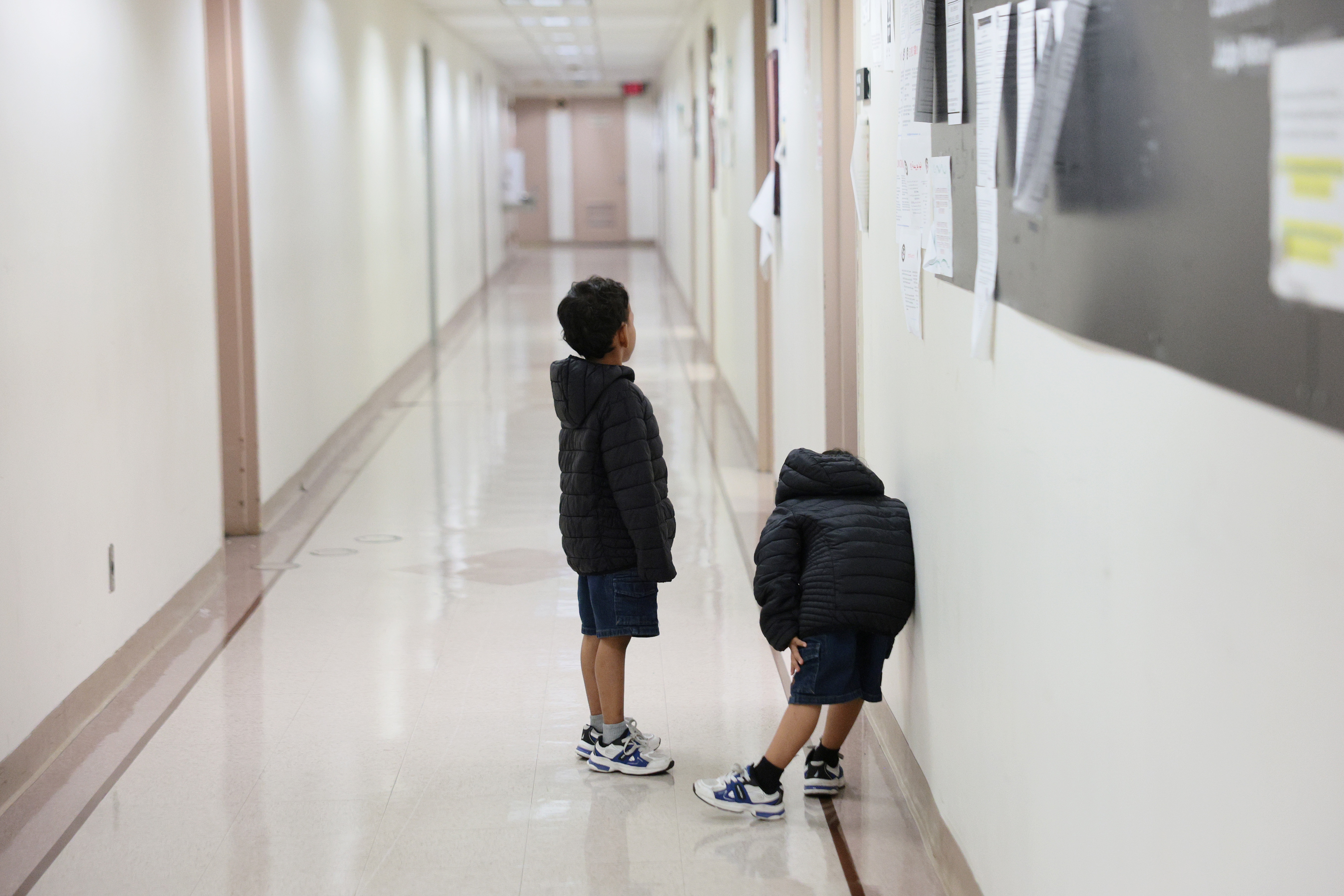
- Some children, including very young kids, are already appearing in immigration court without attorneys, and a New York judge was reported to keep cases moving despite guidance to pause when children lack counsel.
- Advocates warn that without lawyers, children will be far more likely to lose their immigration cases and be deported.
- Legal groups have gone to court to challenge the government’s demands and to keep representation available for children in custody and shelters.
Why This Matters
- Children who face deportation without a lawyer often cannot understand the process or present evidence, raising the risk of wrongful removals.
- The standoff tests how the government balances program oversight with attorney-client confidentiality, a basic rule meant to let people speak openly with their lawyers.
- Abrupt funding lapses can weaken the nonprofit legal system by forcing layoffs and closures that are hard to reverse even if money later resumes.
- How the U.S. treats unaccompanied children in court shapes public trust in whether immigration enforcement meets basic fairness standards.