



ECONOMY
Fed Chair Warsh opens door to rate hikes as inflation stays above target
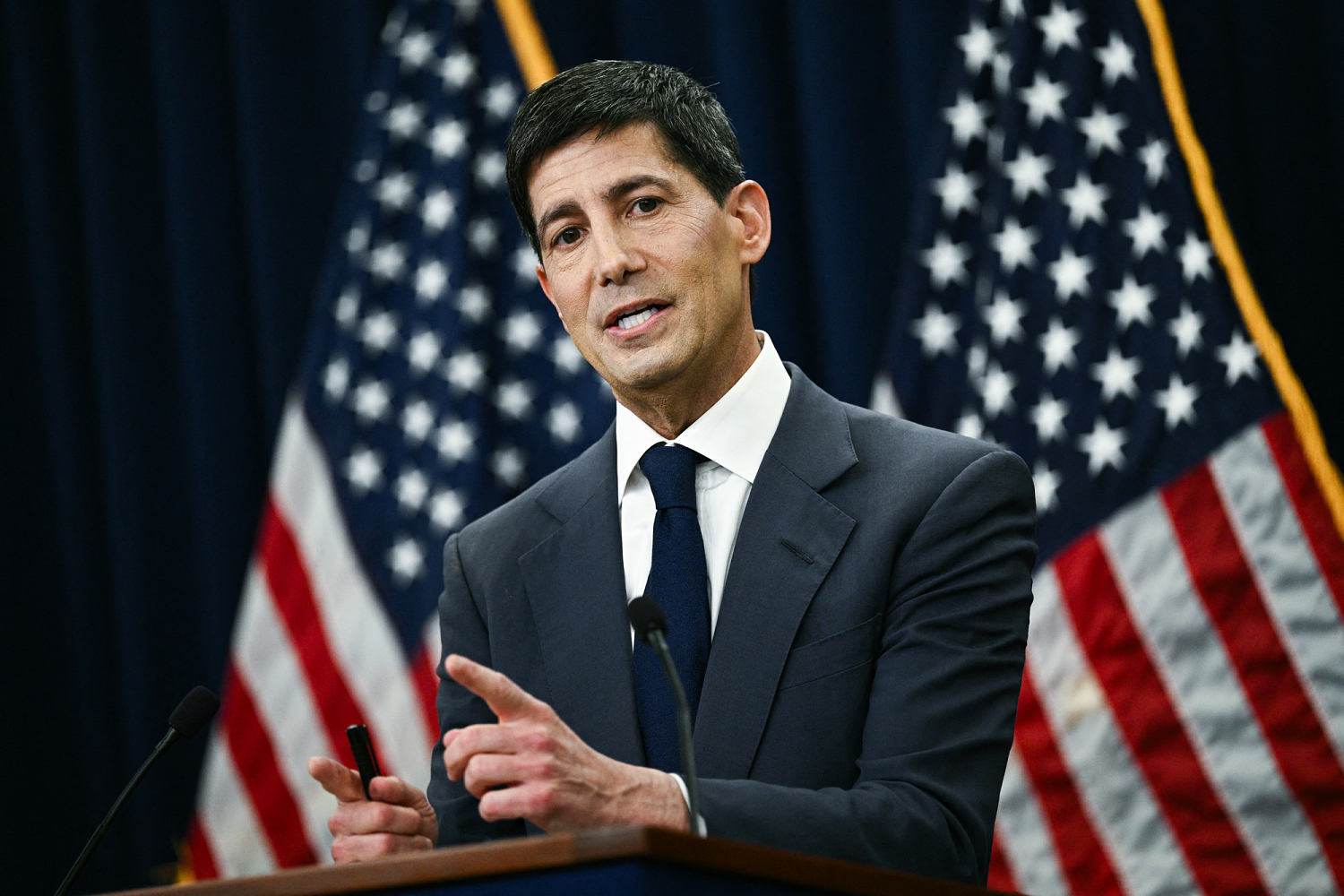
Federal Reserve Chair Kevin Warsh said inflation is still above the Fed’s 2% goal and signaled the central bank may raise interest rates in coming months, while pulling back from giving markets detailed hints about exactly when and how it will act.
Federal Reserve Chair Kevin Warsh said inflation is still above the Fed’s 2% goal and signaled the central bank may raise interest rates in coming months, while pulling back from giving markets detailed hints about exactly when and how it will act.
Corroboration
LowMedHigh





Confirmed by 29+ sources.
What This is
- Fed Chair Kevin Warsh said inflation remains too high and the Fed is committed to returning it to a 2% target.
- Warsh indicated the Fed may need to raise interest rates in the coming months if underlying inflation does not clearly move toward the goal.
- He stopped short of promising an imminent hike or giving a firm timetable for what the Fed will do next.
- Warsh criticized extended “forward guidance,” arguing the Fed should be quieter and rely more on incoming data than on pre-signaling policy moves.
- Markets treated the speech as more hawkish: short-term Treasury yields rose and traders increased bets on a September rate hike.
- Some measures cited in coverage put inflation well above target, including about 3.4% on CPI and about 3.7% on the Fed’s preferred price gauge over the year to July.
- Warsh suggested current interest rates may not be restraining the economy much, pointing to strong consumer spending and business investment.
- Investors and economists remain unsure about the Fed’s “reaction function,” meaning what mix of inflation and jobs data would trigger a hike.
- Separate reporting highlighted internal Fed work on better real-time inflation indicators, after criticism that backward-looking measures can leave policy behind the curve.
Why This Matters
- If the Fed raises rates, borrowing costs can rise quickly for mortgages, car loans, and business credit.
- Warsh’s shift away from clear pre-signals could make markets swing more on each inflation and jobs report.
- The debate over whether inflation data is “too slow” matters because acting late can prolong high prices, while acting too hard can slow hiring and growth.
- Higher U.S. rates can lift the dollar and move global money flows, affecting other countries’ currencies and commodity prices.
- A new chair’s approach to communication can reshape trust in the Fed’s independence and its ability to guide expectations.