



JUSTICE PUBLIC SAFETY
Father of U.S. Navy sailor aboard USS Lincoln detained by immigration authorities
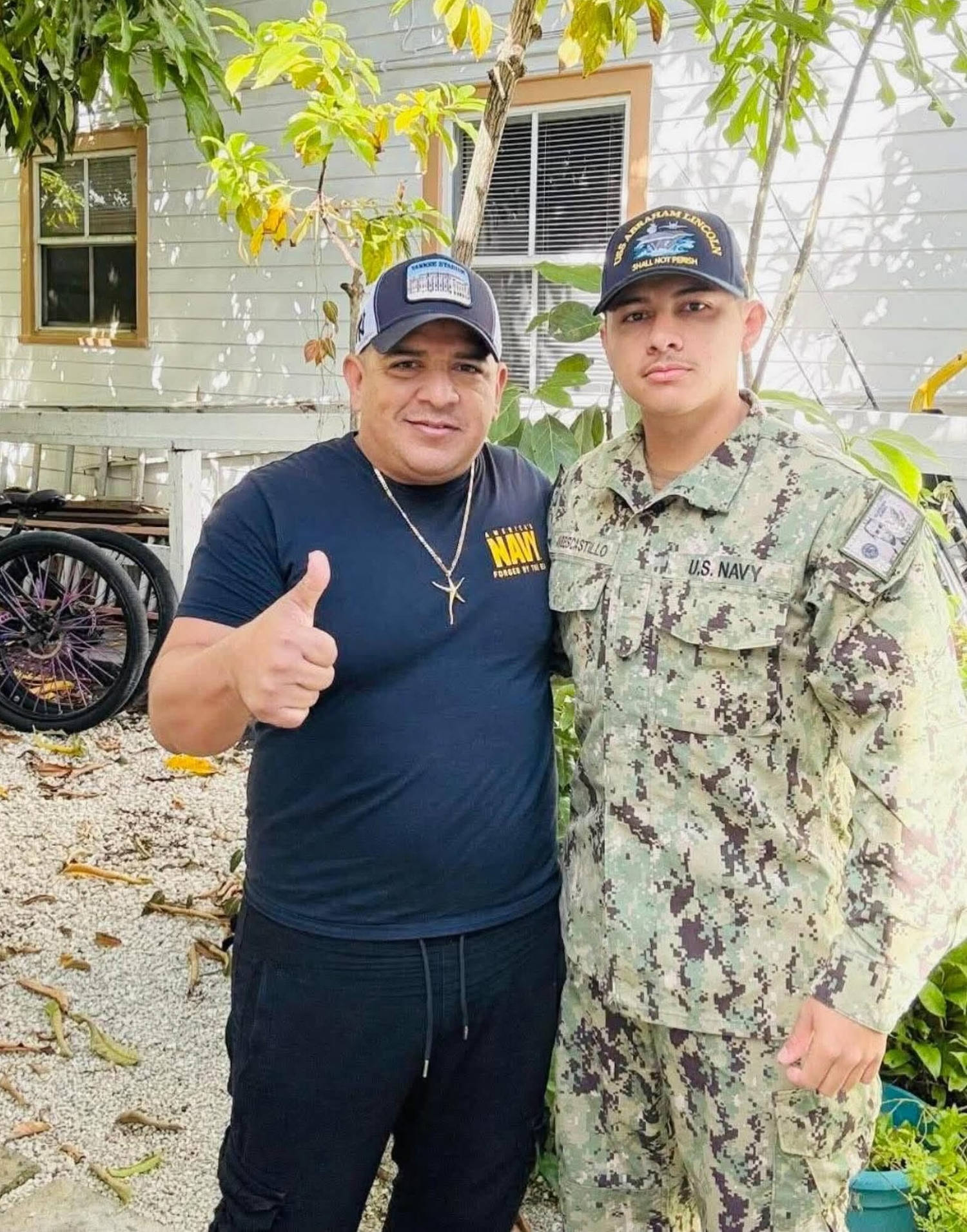
U.S. Border Patrol arrested Luis Manuel Aviles Roa in Key West and he is being held by ICE while immigration officials pursue removal proceedings, drawing attention because his son is a U.S. Navy sailor deployed aboard the USS Abraham Lincoln.
U.S. Border Patrol arrested Luis Manuel Aviles Roa in Key West and he is being held by ICE while immigration officials pursue removal proceedings, drawing attention because his son is a U.S. Navy sailor deployed aboard the USS Abraham Lincoln.



What This is
- Luis Manuel Aviles Roa, a Nicaraguan-born man, was arrested during a vehicle stop in Key West and taken into federal immigration custody.
- The Department of Homeland Security says Aviles Roa entered the U.S. illegally and will remain in ICE detention while removal proceedings move forward.
- His son, Joshua Aviles, is a U.S. Navy sailor serving aboard the aircraft carrier USS Abraham Lincoln, and he has publicly criticized the detention.
- The family says Aviles Roa has identification and work authorization and that they are waiting on approval of a green card application.
- DHS says that a pending application or work authorization does not equal legal immigration status and does not stop enforcement.
- Rights groups have criticized the broader immigration enforcement crackdown, raising concerns about due process and civil rights.
- Joshua Aviles said the detention is affecting him while he works long days during the ship’s extended deployment.
Why This Matters
- It highlights how immigration enforcement can separate families even when a relative is serving in the U.S. military.
- It raises questions about what “due process” looks like in immigration detention, including access to hearings and legal help.
- It underscores public confusion about the gap between having work papers and having full legal status.
- It may affect military readiness and morale when deployed servicemembers face family crises at home.