



NATIONAL SECURITY
FAA investigates air safety incident involving Marine One
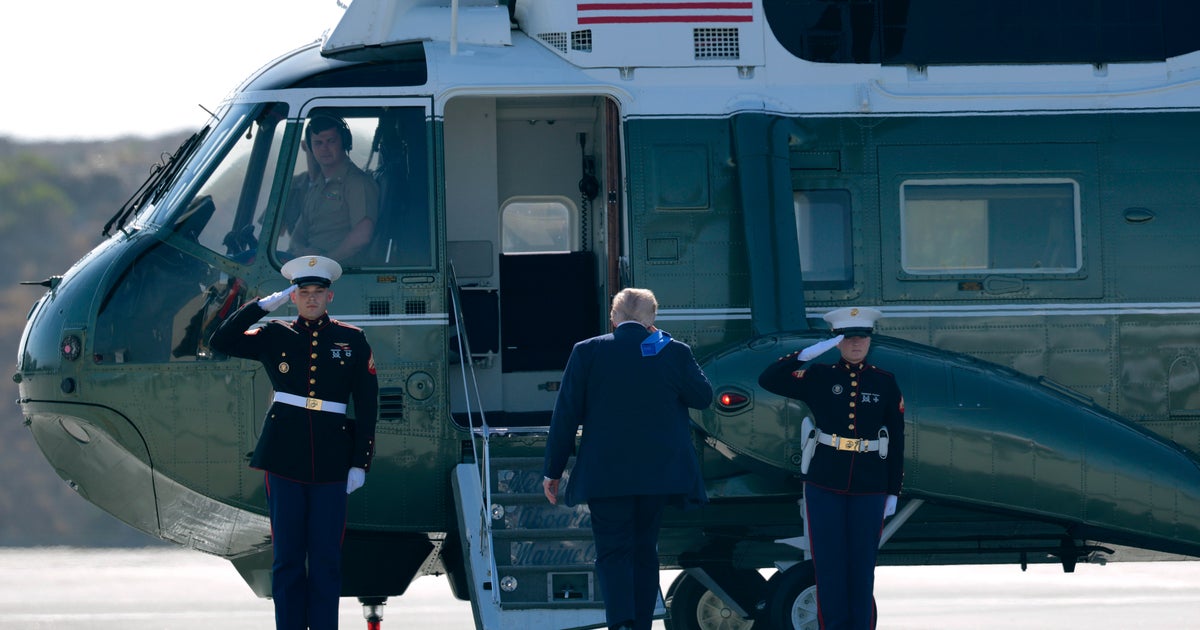
The FAA and NTSB are investigating an Aug. 4 incident in which President Donald Trump’s Marine One helicopter briefly came closer than allowed to a departing regional jet near Reagan National Airport after commercial traffic was not paused as required.
The FAA and NTSB are investigating an Aug. 4 incident in which President Donald Trump’s Marine One helicopter briefly came closer than allowed to a departing regional jet near Reagan National Airport after commercial traffic was not paused as required.
Corroboration
LowMedHigh






Confirmed by 40+ sources.
What This is
- The FAA is reviewing a “momentary loss of separation” between Marine One carrying President Trump and a departing passenger jet near Reagan National Airport on Aug. 4.
- Rules meant to protect helicopter operations appear to have been missed, because commercial takeoffs were not halted during Marine One’s departure and approach.
- Officials said the aircraft were not on a collision course, stayed in contact with controllers, moved apart, and both flights continued safely.
- Several accounts link the event to communication problems, including missed or garbled transmissions and delayed responses from the airport tower.
- The passenger flight was described as an Envoy Air regional jet operating for American Airlines, departing Reagan National during the Marine One movement.
- The incident renewed scrutiny of Washington-area air-traffic safety rules tightened after a deadly January 2025 midair collision near the airport.
- The FAA plans further review and possible corrective steps, while the NTSB is investigating or assessing whether to open a separate formal probe.
Why This Matters
- The case tests whether safety rules near the nation’s capital are being followed in real time.
- Close calls involving a president’s helicopter raise security concerns, even when officials say there was no immediate danger.
- If controllers missed required warnings, it points to training, staffing, or equipment gaps that could affect many flights.
- Public trust in air travel can drop when a recent fatal crash is followed by another high-profile incident.