



ISRAEL PALESTINE
Dozens killed in Lebanon amid intensifying Israeli strikes
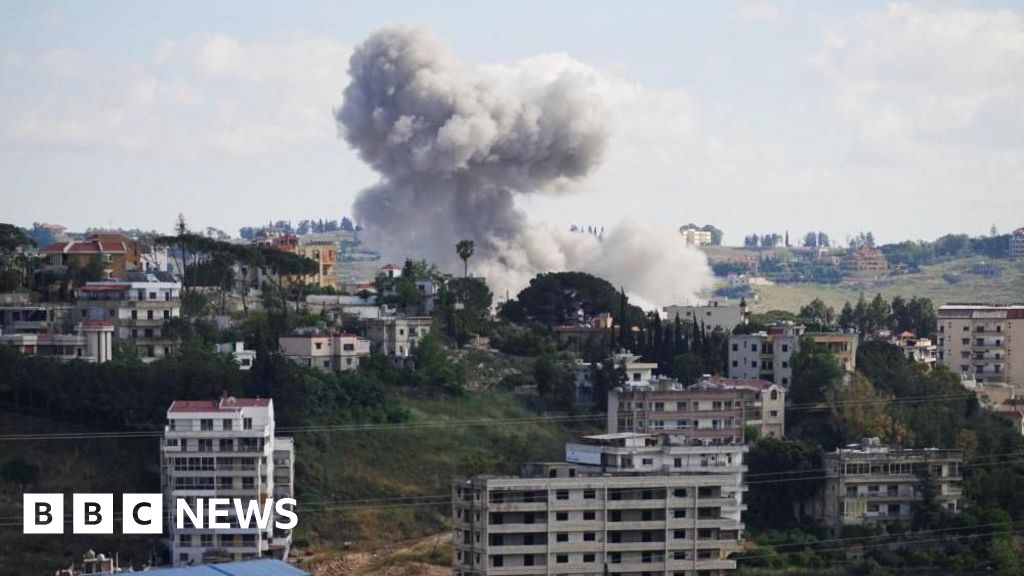
Israel says it has struck more than 100 Hezbollah targets in waves of attacks across southern Lebanon and the Beqaa Valley, while also issuing evacuation warnings for towns and villages ahead of strikes.
Israel says it has struck more than 100 Hezbollah targets in waves of attacks across southern Lebanon and the Beqaa Valley, while also issuing evacuation warnings for towns and villages ahead of strikes.
Corroboration
LowMedHigh






Confirmed by 36+ sources.
What This is
- Israel says it has struck more than 100 Hezbollah targets in waves of attacks across southern Lebanon and the Beqaa Valley, while also issuing evacuation warnings for towns and villages ahead of strikes.
- Lebanese authorities and health officials report high civilian casualties, including deaths of children and first responders, and damage to hospitals and other health infrastructure in the south.
- Lebanon has reported cumulative casualties of more than 3,000 killed and about 9,000–10,000 wounded since hostilities resumed in March, alongside mass displacement exceeding one million people.
- Israel has expanded ground activity beyond its self-declared “Yellow Line” and pushed farther north in southern Lebanon, describing raids and seized positions as aimed at removing immediate threats.
- Hezbollah has continued rocket, artillery and drone attacks into northern Israel and against Israeli forces, including explosive-drone strikes that Israel says have killed and wounded soldiers.
- The escalation is straining U.S.-brokered truce arrangements and is unfolding alongside U.S.-Iran diplomacy that some parties want to link to the Lebanon front, with talks involving Lebanon and Israel planned in Washington.
- Hezbollah leaders have escalated rhetoric inside Lebanon, including calls to protest and threats against the Lebanese government, while Lebanese President Joseph Aoun has insisted Israeli withdrawal from the south is “non-negotiable.”
Why This Matters
- The fighting tests whether ceasefires can hold when each side claims self-defense and retaliation.
- Expanding ground operations increases the risk of miscalculation and a wider Israel–Hezbollah war that could draw in regional actors.
- Linking the Lebanon front to U.S.-Iran negotiations raises the stakes of diplomacy by making local violence a lever in broader bargaining.