



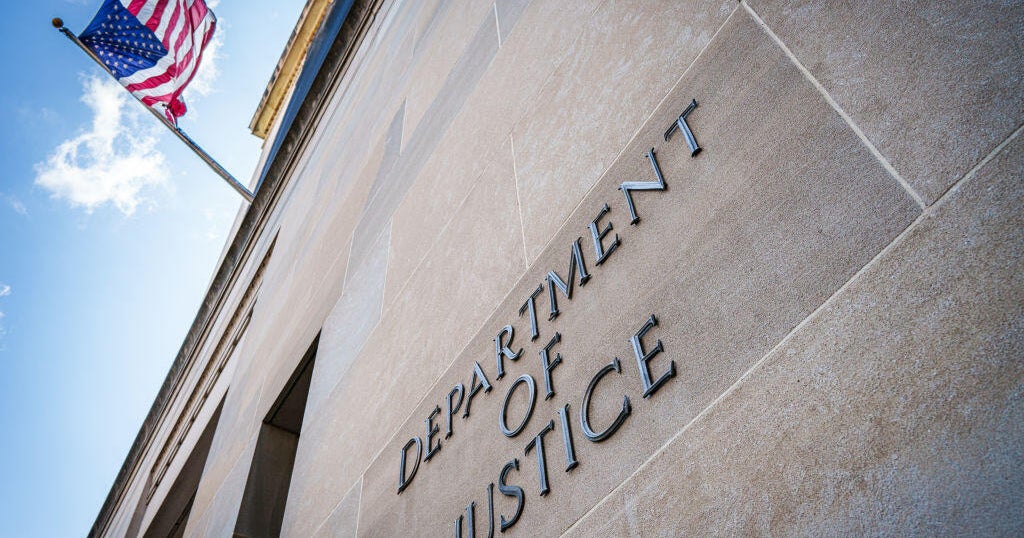
DOJ
DOJ threatens criminal action against states that allow non-citizens to vote
The Justice Department warned state election officials that helping noncitizens vote, or knowingly keeping noncitizens on voter rolls, could lead to criminal prosecution.
The Justice Department warned state election officials that helping noncitizens vote, or knowingly keeping noncitizens on voter rolls, could lead to criminal prosecution.





What This is
- The Justice Department warned state election officials that helping noncitizens vote, or knowingly keeping noncitizens on voter rolls, could lead to criminal prosecution.
- The letters were signed by Civil Rights Division head Harmeet Dhillon and told states to reply within five days with details on how they ensure only U.S. citizens vote in federal elections.
- The letters warn that officials could face criminal liability if they knowingly keep noncitizens on the rolls or facilitate noncitizen voting.
- ABC reported the letters were sent to at least six states, including Nevada, Arizona, and Colorado.
- Arizona’s secretary of state confirmed receiving a DOJ letter, and an Arizona station reported state records show no prosecutions or convictions for noncitizen voting there in the past 15 years.
- The move follows President Trump’s claims about noncitizen voting and comes alongside DOJ efforts in court to get unredacted voter-roll data.
- State officials in some places described the letters as threatening, while experts and studies cited by ABC said noncitizen voting is illegal but exceedingly rare.
Why This Matters
- It tests how far the federal government can pressure state-run election systems using criminal threats.
- It could lead to tougher citizenship checks that also risk wrongly blocking eligible voters.
- It may shift public trust in elections by spotlighting a problem many experts call rare.
- It adds strain to federal-state relations over who controls election rules.