



IMMIGRATION
DHS to scrap use of 7 warehouses for detention centers
The Department of Homeland Security is moving to stop using seven warehouses that had been slated for conversion into immigration detention centers.
The Department of Homeland Security is moving to stop using seven warehouses that had been slated for conversion into immigration detention centers.




What This is
- The Department of Homeland Security is moving to stop using seven warehouses that had been slated for conversion into immigration detention centers.
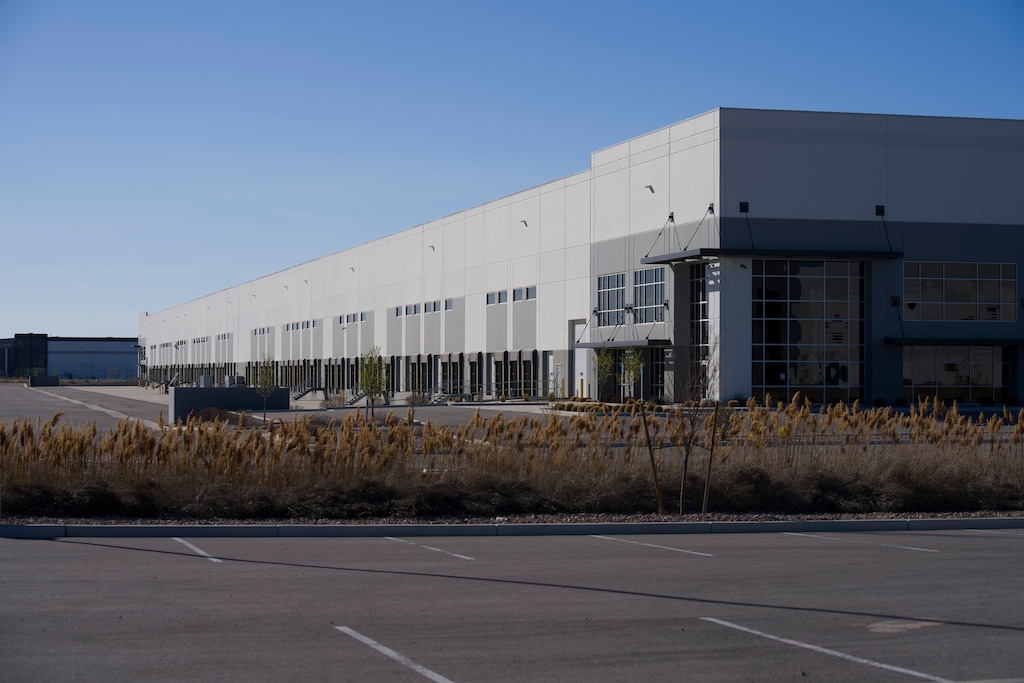
- DHS is reported to be offloading a Salt Lake City warehouse purchased for about $145 million that was intended to become an Immigration and Customs Enforcement detention site.
- The Salt Lake City warehouse may be sold or transferred to another federal agency as part of the pullback from warehouse-based detention plans.
- ICE is reported to be divesting other warehouse properties nationwide that were tied to detention plans.
- DHS has scrapped plans to turn a warehouse in Social Circle, Georgia, into a large immigration detention center, the city says.
- In Social Circle, Georgia, local officials sued ICE and DHS to stop a plan to convert a roughly 1-million-square-foot warehouse into a detention center for thousands of migrants.
- The Georgia lawsuit argues the proposed detention conversion would strain local water, sewage, and emergency medical services and create public-health risks.
Why This Matters
- Decisions to build, abandon, or sell detention sites determine how many migrants are held in custody while their cases proceed.
- Offloading properties bought for detention raises governance questions about oversight, sunk costs, and who bears the financial consequences of reversals.
- Local resistance and lawsuits test how much practical control communities have when federal detention projects would reshape water, sewage, and emergency-response burdens.
- The debate reflects competing moral priorities between enforcing immigration law through confinement and minimizing health, safety, and rights risks for detainees and host towns.