



AI
Data centers emerge as a central issue in U.S. midterm elections
A fast-growing backlash to large AI data centers is pushing states to add new limits and is reshaping 2026 midterm campaigns, as candidates and national leaders argue over the projects’ local costs, energy and water use, and promised jobs.
A fast-growing backlash to large AI data centers is pushing states to add new limits and is reshaping 2026 midterm campaigns, as candidates and national leaders argue over the projects’ local costs, energy and water use, and promised jobs.
Corroboration
LowMedHigh





Confirmed by 11+ sources.
What This is
- Local, cross-partisan opposition to hyperscale AI data centers is becoming a major issue in 2026 midterm races, with candidates in both parties adjusting their messages or distancing themselves from projects.
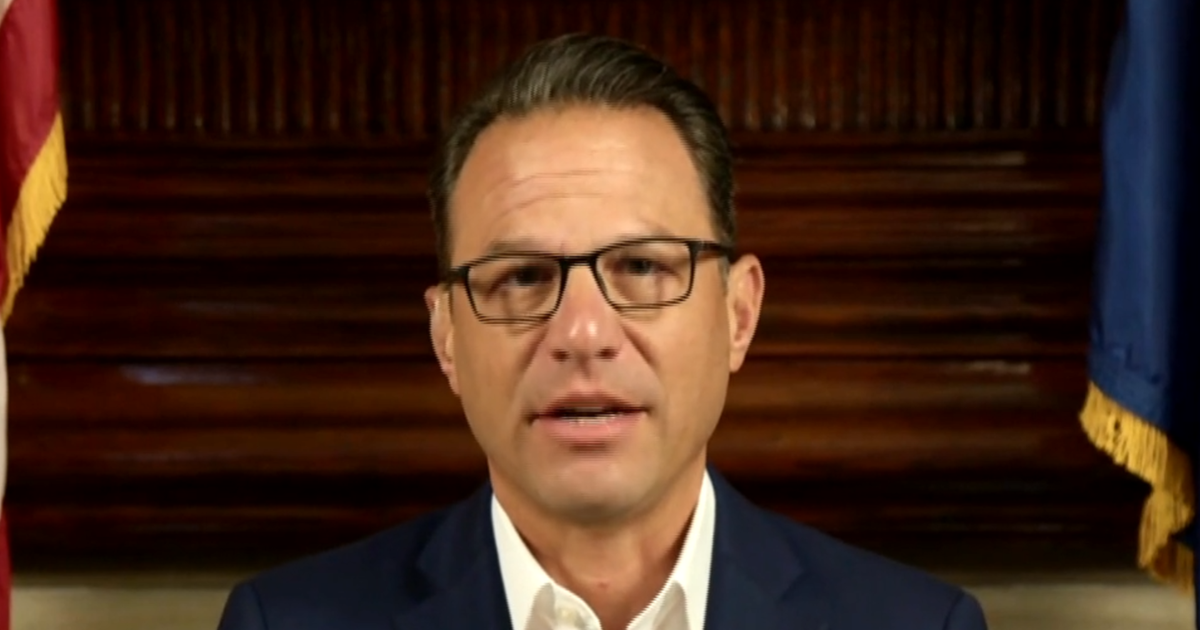
- Pennsylvania Gov. Josh Shapiro signed an executive order that tightens approval for new data centers, including a deeper review, municipal sign-off, and requirements that projects provide their own power.
- Texas Gov. Greg Abbott ordered audits of data centers seeking to connect to the Texas grid and paused ERCOT’s new review process after a surge of applications tied largely to data centers.
- Some places have enacted bans, moratoriums, or pulled tax incentives for data center projects as protests, petitions, and lawsuits grow.
- A private memo from the Senate Republicans’ campaign arm warned candidates they could get defined by the data center issue, but former Arkansas Gov. Asa Hutchinson criticized the memo’s “alarmist” tone.
- AI companies and backers say data centers are central to AI progress, but Axios reports the backlash could slow investment and the building of infrastructure that advanced AI depends on.
Why This Matters
- The fight puts local quality-of-life concerns in direct conflict with a national push to expand AI infrastructure.
- It is turning zoning, power supply, and water use into election issues, scrambling usual party lines and forcing candidates to pick sides.
- State crackdowns and delays can change where investment goes and how quickly companies can build the computing capacity needed for new AI systems.
- The debate tests how communities share the benefits and burdens of tech growth, especially when projects are seen as secretive or imposed.