



HEALTHCARE
Cyclospora outbreak spreads across U.S. as officials probe food sources
U.S. officials are investigating a fast-growing Cyclospora parasite outbreak that is causing cyclosporiasis in many states, with Michigan reporting the most cases, while the FDA and CDC try to trace the contamination to a food or water source.
U.S. officials are investigating a fast-growing Cyclospora parasite outbreak that is causing cyclosporiasis in many states, with Michigan reporting the most cases, while the FDA and CDC try to trace the contamination to a food or water source.
Corroboration
LowMedHigh






Confirmed by 73+ sources.
What This is
- Cyclospora infections have surged across much of the U.S., with Michigan reporting thousands of illnesses and many other states reporting growing case counts.
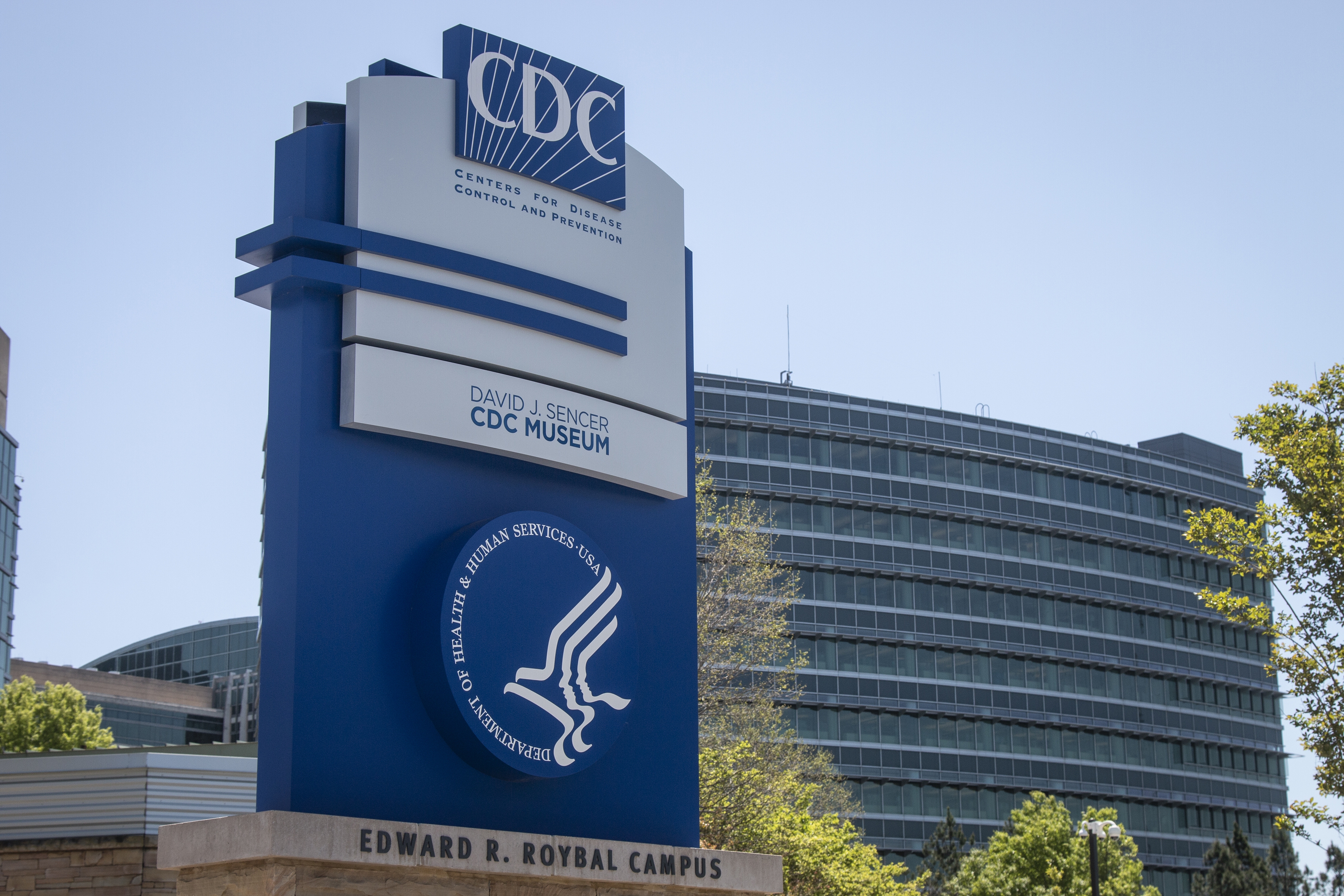
- The CDC has reported 1,645 lab-confirmed cases and is reviewing about 5,100 additional possible cases, with more than 100 hospitalizations and no deaths reported in several updates.
- Investigators have not confirmed a single food source or supplier, and no specific product has been recalled in many reports.
- Michigan officials have said patient interviews suggest lettuce or salad greens as a leading possible exposure, but other foods are still being considered.
- The FDA is running traceback investigations on produce, including lettuce, to map where suspected items moved through the supply chain.
- Cyclosporiasis is an intestinal infection usually caught from food or water contaminated with feces, often involving raw fresh produce rather than direct person-to-person spread.
- Symptoms can include prolonged watery or “explosive” diarrhea, cramps, nausea, and fatigue, and some people—especially older adults and those with weakened immune systems—can face higher risk.
- Diagnosis often requires specific stool testing, and treatment is typically an antibiotic such as trimethoprim-sulfamethoxazole for people who can take it.
- Public-health advice has focused on safer produce handling and, in some places, avoiding pre-washed bagged lettuce and salad kits while the source is investigated.
- Taco Bell has temporarily removed some fresh ingredients at select locations as a precaution, while officials have not confirmed any link between the chain and the outbreak.
Why This Matters
- When officials cannot quickly identify the source, people and businesses are left guessing what foods to avoid, which can disrupt diets, restaurants, and produce sales.
- Large gaps between state counts and federal counts can erode trust and slow public guidance, because warnings and recalls depend on fast, reliable data.
- Foodborne parasites highlight weak points in a global produce supply chain, where contamination can happen far from where people get sick.
- Severe diarrhea illnesses hit some groups harder, including older adults and people with weakened immune systems, raising equity and safety concerns.