



JUSTICE PUBLIC SAFETY
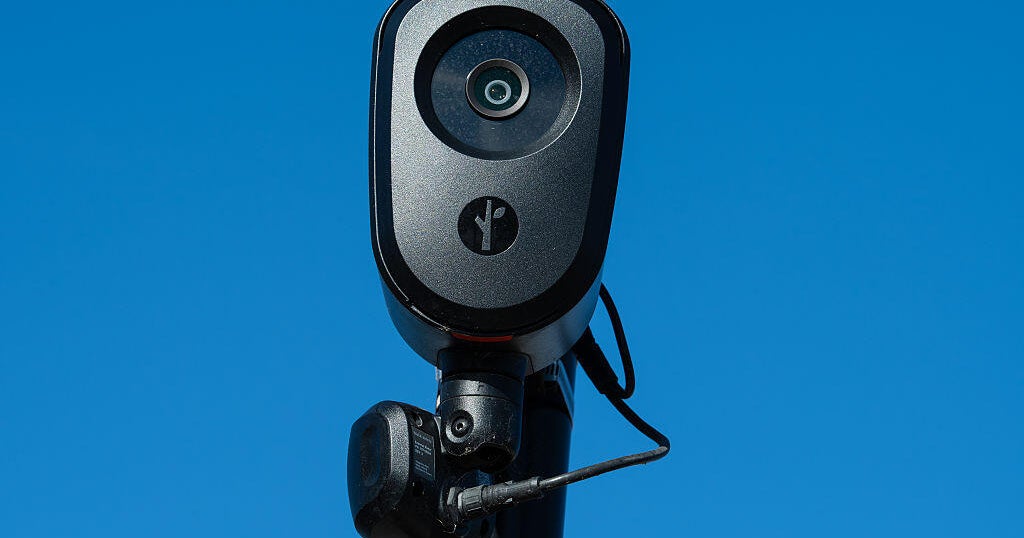
Courts and cities clash over Flock license-plate cameras and privacy rules
Cities and lawmakers are rethinking Flock license-plate reader camera programs as courts, Congress, and local governments weigh crime-solving claims against privacy, data-sharing, and misuse concerns.
Cities and lawmakers are rethinking Flock license-plate reader camera programs as courts, Congress, and local governments weigh crime-solving claims against privacy, data-sharing, and misuse concerns.
Corroboration
LowMedHigh






Confirmed by 36+ sources.
What This is
- Communities are holding hearings and votes on whether to keep Flock cameras, with some canceling contracts, turning cameras off, or pausing programs after resident pushback.
- Some agencies say they will not seek access to Flock networks or will only use systems that meet stricter privacy, transparency, and local-control standards.
- Misuse cases have fueled the backlash, including alleged stalking or harassment, searches tied to immigration, and unauthorized access after someone left an agency.
- Several agencies say they are tightening guardrails, such as shorter data-retention limits, supervisor approval for searches, audits, and proposed penalties for misuse.
- At the federal level, lawmakers have proposed both an outright ban on federal use of license-plate readers and a separate bill that would regulate and limit how the tools can be used.
- Reporting has raised concerns about oversight and transparency, including federal access to large numbers of cameras, hidden or unpermitted camera installations, and disputed company claims about how many crimes the technology solves.
Why This Matters
- The debate affects how much government can track people who are not suspected of wrongdoing.
- Weak oversight can turn a public-safety tool into a system for personal, political, or immigration-related targeting.
- Conflicting local and state rules can be undermined if data is shared across agencies or routed through federal programs.
- New limits will shape what police can do quickly in time-sensitive cases like shootings, stolen cars, and missing-person searches.