



IMMIGRATION
Court confirms that temporary deportation protections for Haitians are no longer in place
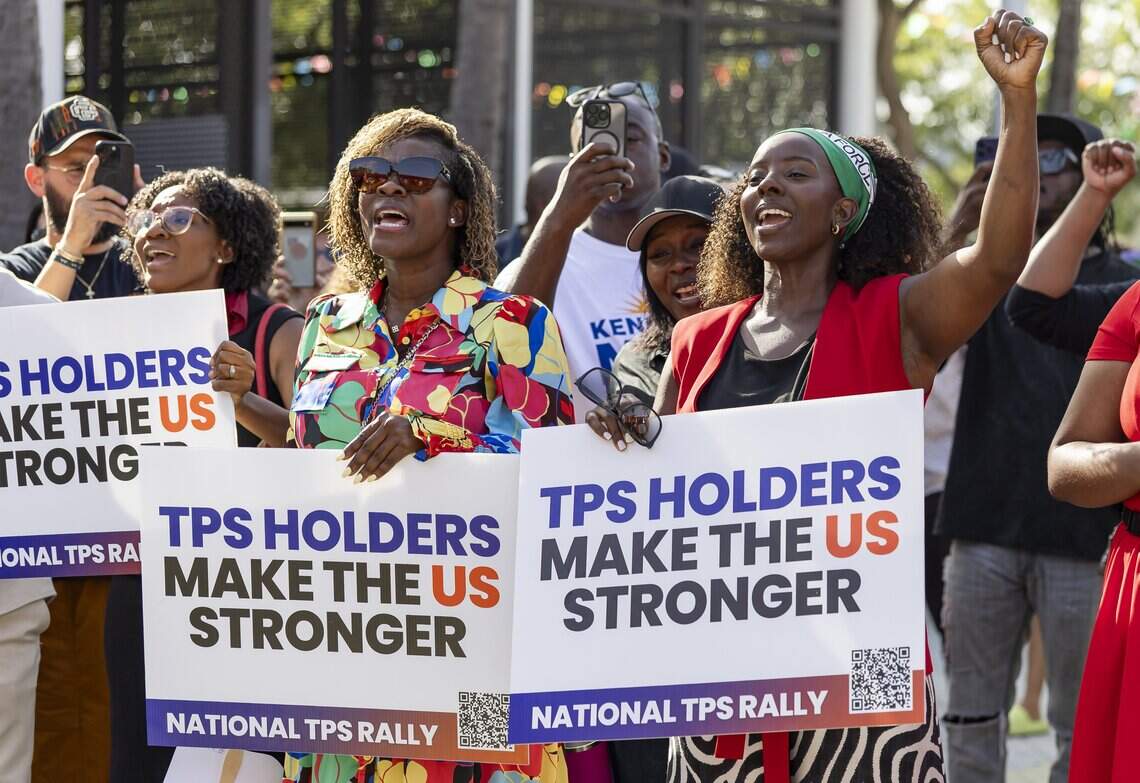
After a Supreme Court ruling, a federal judge confirmed the Trump administration can end Temporary Protected Status for roughly 350,000 Haitians, leaving them without the program’s protection from deportation and tied work permits while a narrower discrimination lawsuit continues.
After a Supreme Court ruling, a federal judge confirmed the Trump administration can end Temporary Protected Status for roughly 350,000 Haitians, leaving them without the program’s protection from deportation and tied work permits while a narrower discrimination lawsuit continues.
Corroboration
LowMedHigh






Confirmed by 37+ sources.
What This is
- Temporary Protected Status (TPS) for about 350,000 Haitians has expired, ending protection from deportation and the right to work legally tied to the program.
- The Supreme Court ruled that courts generally cannot review the administration’s decision to end TPS, which cleared the way for lower courts to let the termination take effect.
- After the Supreme Court ruling, a federal judge in Washington, D.C., lifted a stay that had temporarily kept Haiti’s TPS protections in place.
- Plaintiffs are still pursuing a narrow constitutional challenge, including an equal-protection claim arguing the decision was racially motivated.
- Many Haitians and employers report confusion about work authorization as U.S. immigration agencies have at times extended, then paused or stopped, routine renewals of short-term work documents.
- ICE has begun enforcement steps in some places, including call-in notices and reports that some Haitians have been put on ankle monitors with travel limits.
- News reports cite internal planning for ICE to ramp up arrests and deportations, including the possibility of more deportation flights to Haiti.
- The U.S. has already resumed deportation flights to Haiti and has told Haitian authorities it plans at least two flights a week after TPS expires, according to reporting and officials.
- Advocates and some officials warn Haiti remains extremely unsafe due to gang violence and a wider humanitarian crisis, and say large-scale returns could be dangerous and destabilizing.
- Communities and businesses say losing TPS workers is already disrupting sectors such as elder care, health care, hospitality, food service, warehouses, and agriculture.
Why This Matters
- It will shape whether long-settled Haitian families can keep living together in the U.S. or face detention and removal.
- It shifts power toward the White House by limiting when judges can block mass changes to deportation protections.
- Sending people to a place the U.S. itself warns is dangerous raises a basic moral question about returning people to likely harm.
- Losing large numbers of authorized workers can strain care, farming, and service jobs, especially in places with big Haitian communities.