



AI
Communities rethink data centers over power use and emissions
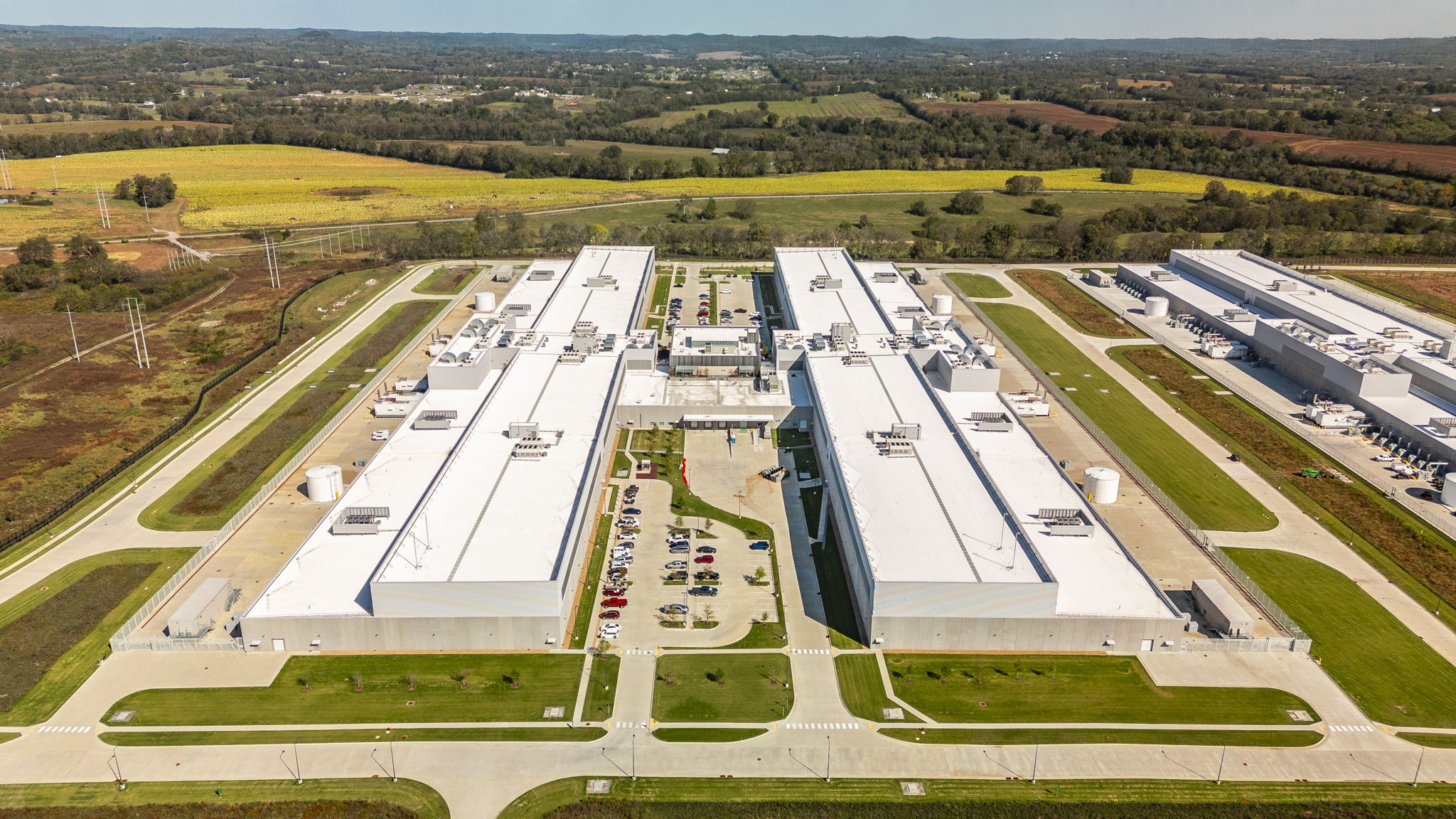
States and local communities are slowing or reshaping data center growth over worries about power demand, water use, noise, and emissions.
States and local communities are slowing or reshaping data center growth over worries about power demand, water use, noise, and emissions.
Corroboration
LowMedHigh






Confirmed by 19+ sources.
What This is
- States and local communities are slowing or reshaping data center growth over worries about power demand, water use, noise, and emissions.
- Oregon approved a new, higher electricity rate for data centers so they pay more of the grid upgrade costs instead of shifting those costs to other customers.
- Tyler, Texas planning officials denied a permit for a proposed 12-megawatt Bitcoin-mining data center after residents and commissioners raised concerns about noise, grid impacts, and fit with local plans.
- Desert Hot Springs, California is weighing an extension of a temporary ban on new data centers while it writes rules addressing electricity and water use, backup generators, heat, noise, and air pollution.
- In Nashville, the local zoo is fighting a proposed DC BLOX data center next door, saying noise, light, vibrations, and added utility demand could harm animal care and breeding programs.
- Proposed fixes include better local planning, building in more suitable locations, using more renewable or geothermal power, reusing industrial sites, cutting construction emissions, recycling waste heat, and making AI models more energy efficient.
Why This Matters
- Data centers are becoming a major driver of local electricity and water demand, which can speed up costly grid upgrades and raise concerns about who pays.
- Where and how data centers get power affects climate pollution, especially if operators build on-site gas plants or rely on diesel generators during peaks.
- Local zoning fights show how fast-growing digital infrastructure can collide with community needs like health, quiet neighborhoods, and wildlife protection.
- Decisions made now can lock in decades of energy use, shaping whether AI growth aligns with clean-energy goals or forces more fossil-fuel generation.