



SPEECH
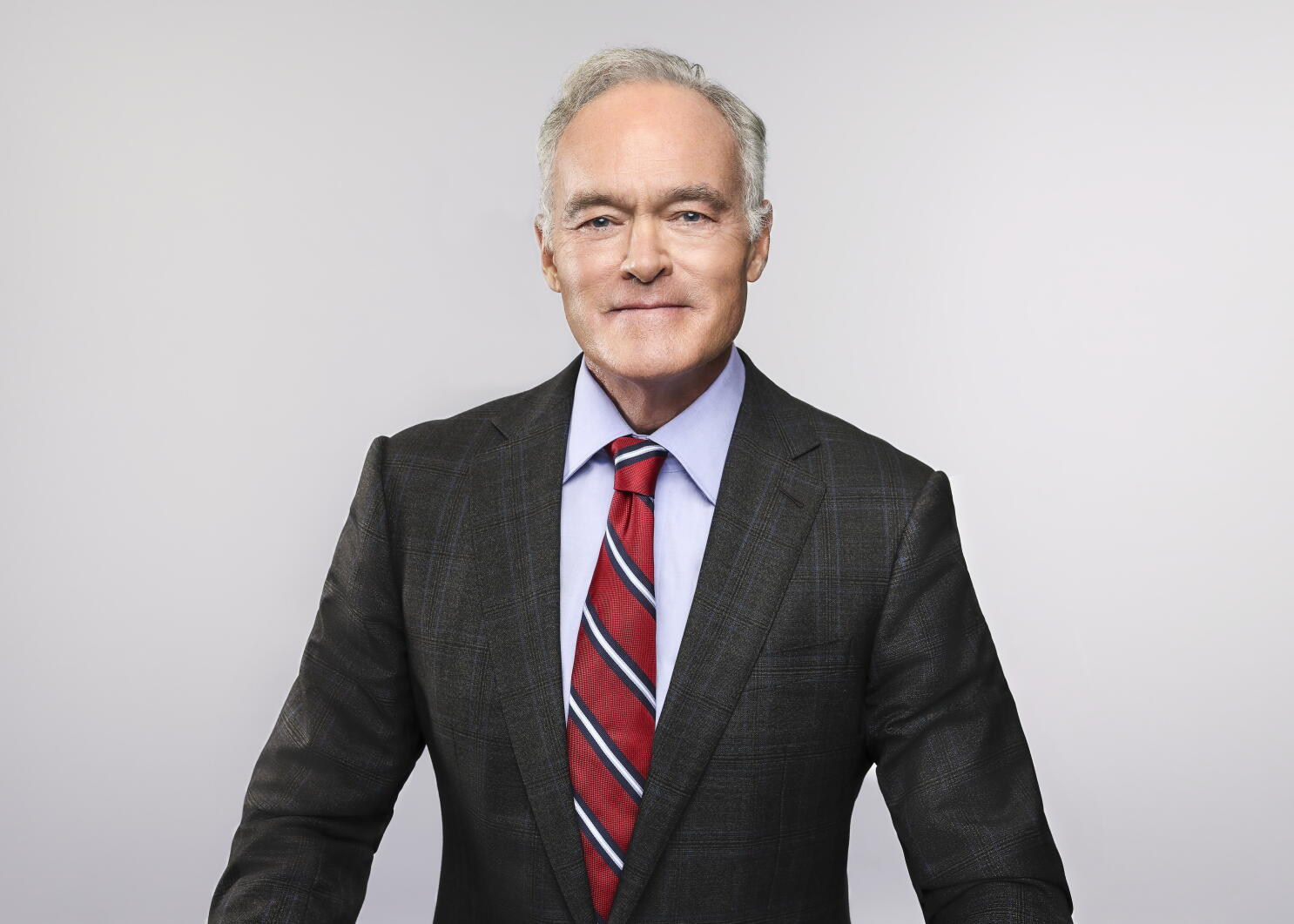
CBS fires '60 Minutes' correspondent Scott Pelley after clash with leadership
CBS News fired longtime “60 Minutes” correspondent Scott Pelley after a public clash with the show’s new leadership during an all-staff meeting.
CBS News fired longtime “60 Minutes” correspondent Scott Pelley after a public clash with the show’s new leadership during an all-staff meeting.
Corroboration
LowMedHigh






Confirmed by 26+ sources.
What This is
- CBS News fired longtime “60 Minutes” correspondent Scott Pelley after a public clash with the show’s new leadership during an all-staff meeting.
- CBS said Pelley was fired the day after the meeting, after management concluded efforts to resolve the dispute had failed.
- The confrontation centered on new editor in chief Bari Weiss and newly hired executive producer Nick Bilton, whose qualifications and direction for the program Pelley sharply challenged.
- Bilton told staff and later wrote that Pelley was “terminated for cause,” citing incivility, contempt, and an unwillingness to collaborate or support the show’s future plans.
- Recordings of the meeting circulated publicly, capturing Pelley denouncing recent firings and accusing Weiss of “murdering” the program.
- The firing followed a broader shake-up at “60 Minutes” and CBS News under Weiss that has removed or not renewed multiple senior producers and correspondents.
- Some current and former journalists tied to the program have described the overhaul as threatening editorial independence and alleged political bias or censorship, which Weiss has denied.
- A letter from several dozen former CBS News and “60 Minutes” staffers urged Paramount Skydance CEO David Ellison to publicly commit to protecting the show’s editorial independence.
- The shake-up has included the departures of executive producer Tanya Simon and correspondents Sharyn Alfonsi and Cecilia Vega, while Bilton was appointed to lead the show.
- The leadership turmoil has left “60 Minutes” with fewer full-time correspondents and heightened uncertainty ahead of its next season.
Why This Matters
- The dispute is a high-profile test of whether corporate management can reshape journalism without undermining editorial independence.
- How newsrooms punish or protect internal criticism helps set norms for dissent, professional conduct, and accountability.
- Turmoil at a top-rated investigative show can affect what stories get resources, airtime, and legal backing.
- Publicly leaked meetings and staffing fights can weaken audience trust in the neutrality and rigor of major broadcast news.