


GOVERNMENT TRANSPARENCY
Bill to block IRS audits of the Trump family would restrict the agency
A Justice Department addendum to a settlement with President Donald Trump bars the Internal Revenue Service from auditing or examining Trump, his family, and affiliated businesses for certain past tax returns.
A Justice Department addendum to a settlement with President Donald Trump bars the Internal Revenue Service from auditing or examining Trump, his family, and affiliated businesses for certain past tax returns.
Corroboration
LowMedHigh






Confirmed by 12+ sources.
What This is
- A Justice Department addendum to a settlement with President Donald Trump bars the Internal Revenue Service from auditing or examining Trump, his family, and affiliated businesses for certain past tax returns.
- The audit restriction was attached to a broader settlement resolving Trump’s lawsuit over a 2018 leak of his tax return information.
- Tax and legal experts described the audit bar as unprecedented and warned it could undermine trust in the tax system by shielding a sitting president and his related entities from normal enforcement.
- The agreement appears to end or foreclose a long-running audit that experts said could have resulted in more than $100 million in additional taxes and penalties.
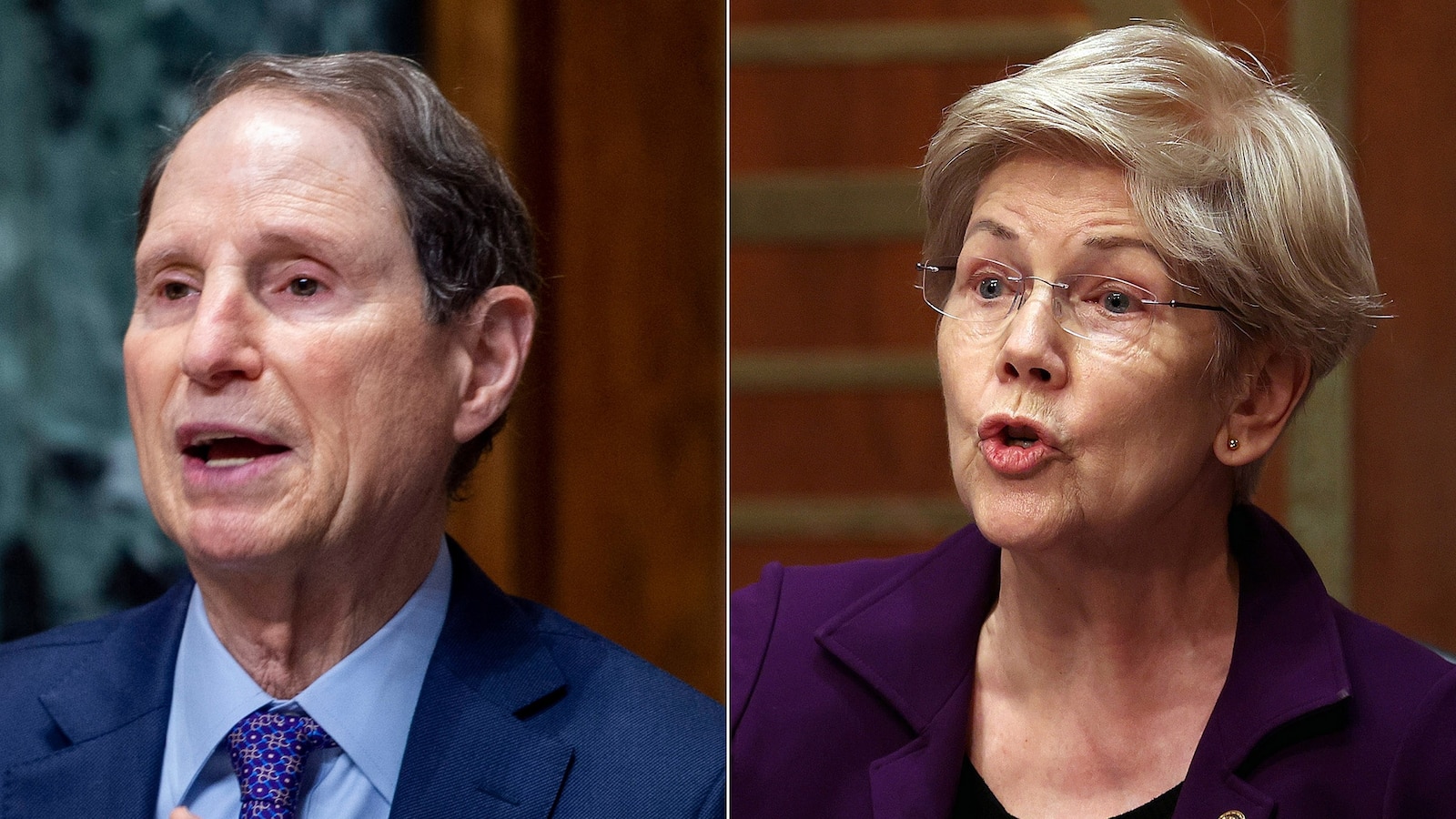
- Senate Democrats asked the Treasury secretary and senior IRS leadership for documents and explanations about the settlement, focusing on the fund’s governance and the audit restriction.
Why This Matters
- Selective limits on tax audits for a president raise rule-of-law concerns because enforcement legitimacy depends on equal treatment for similarly situated taxpayers.
- If executive-branch settlements can constrain ordinary tax oversight, Congress’s ability to oversee the tax system and prevent favoritism becomes a central accountability check.
- A large Treasury-funded compensation program tied to claims of “weaponized” justice creates incentives to politicize grievance payments and complicates public tracking of who benefits and why.
- Perceived immunity from audits can reduce voluntary tax compliance by weakening the shared expectation that high-powered actors face the same scrutiny as everyone else.