



EPSTEIN FILES
Forensic expert disputes claim that Jeffrey Epstein died by suicide
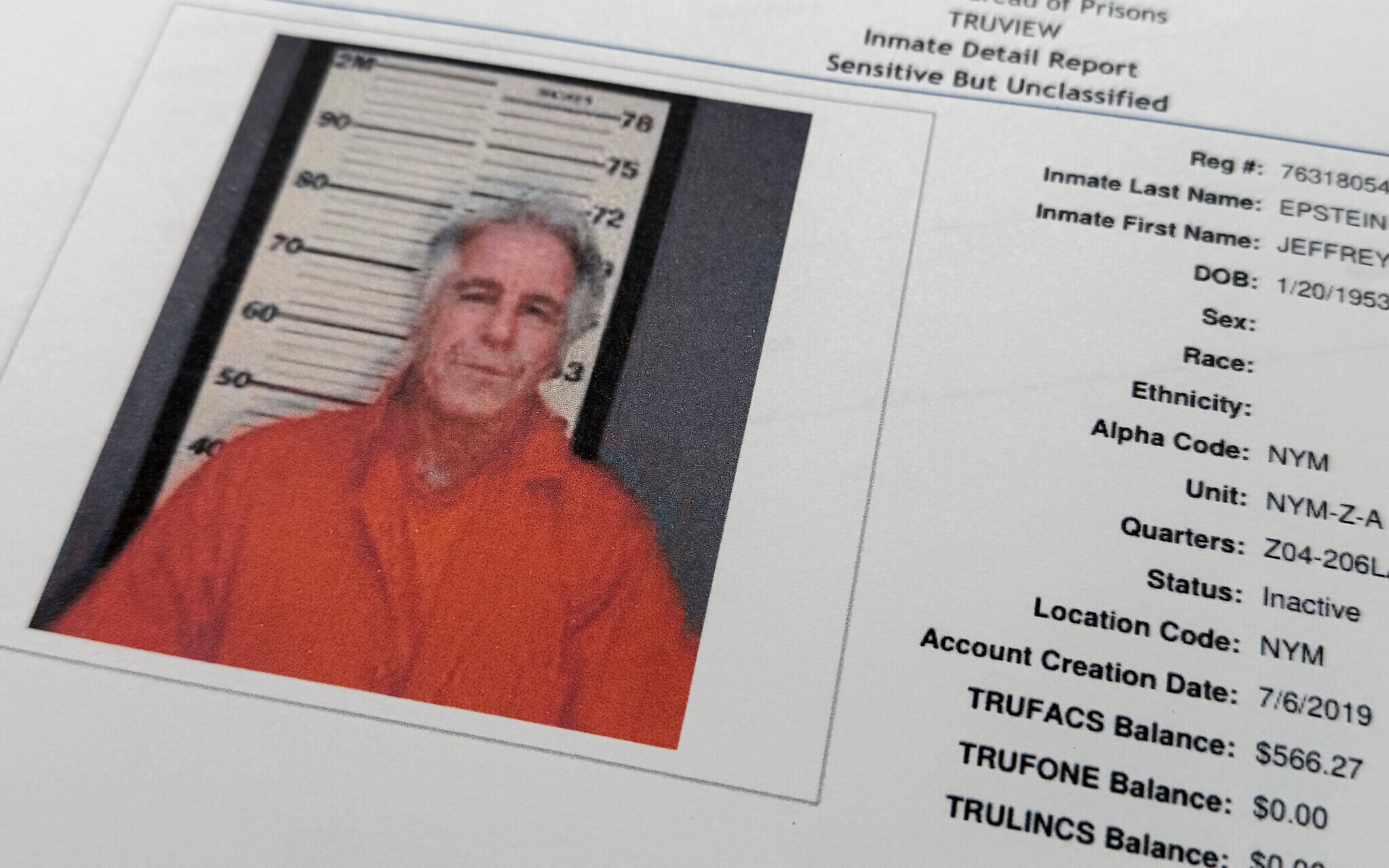
Forensic scientist Michael Freeman says autopsy photos and records make Jeffrey Epstein’s 2019 jail death look more like homicide than suicide, disputing New York City’s medical examiner and later federal reviews that upheld suicide.
Forensic scientist Michael Freeman says autopsy photos and records make Jeffrey Epstein’s 2019 jail death look more like homicide than suicide, disputing New York City’s medical examiner and later federal reviews that upheld suicide.





What This is
- Forensic scientist Michael Freeman reviewed autopsy photos and files tied to Epstein’s 2019 jail death and says the evidence fits homicide more than suicide by hanging.
- Freeman’s review relied on autopsy materials that he says were provided by Epstein’s brother, not on an in-person examination of the body.
- Freeman says Epstein’s injuries include neck findings and other trauma he considers more consistent with strangulation and a struggle than with a typical hanging.
- Freeman and colleagues have presented the analysis publicly and say they are trying to publish it in a peer-reviewed journal, but it has been rejected so far.
- The New York City medical examiner has continued to stand by the 2019 conclusion that Epstein died by suicide.
- The debate continues alongside reports of jail and evidence-handling problems, including broken or missing camera footage and missed checks on Epstein.
- Some other forensic specialists say parts of the photos look unusual for a hanging, but they caution that images alone and investigative gaps limit what can be proved.
Why This Matters
- Competing explanations for a famous death can deepen public distrust in official investigations and fuel conspiracy thinking.
- The dispute keeps pressure on jails to prevent deaths in custody and to document scenes well enough to answer questions later.
- It shows how uncertainty grows when evidence is incomplete, and why later experts can reach different conclusions from the same limited record.
- Ongoing doubt shapes how people judge accountability around Epstein’s crimes and who may have faced exposure from his case.