



ISRAEL PALESTINE
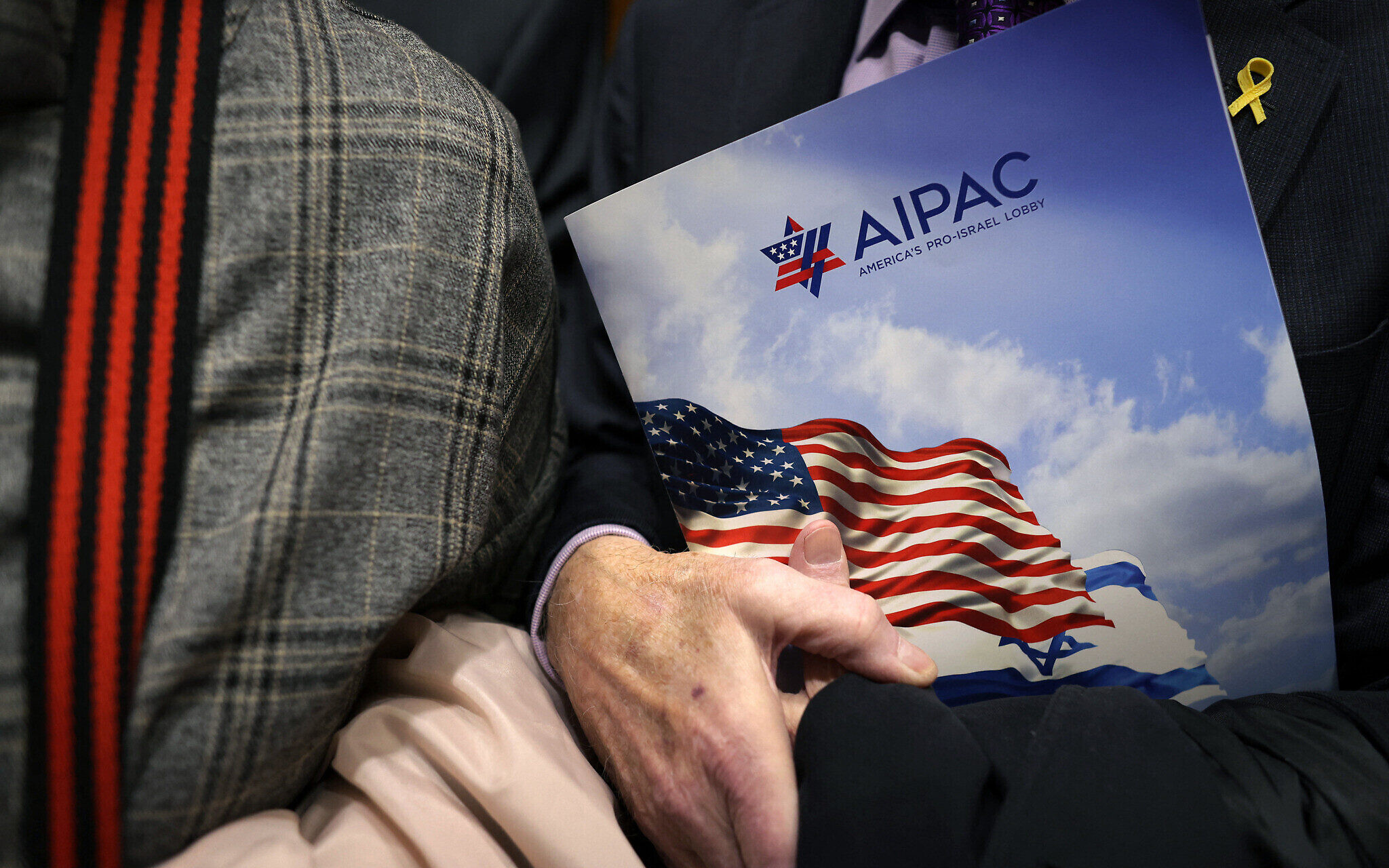
AIPAC stops taking contributions for House Democrats who voted to cut US military aid to Israel
The dispute centers on a House amendment that would strip $3.3 billion in US military aid to Israel, and it split House Democrats. The amendment, offered by Rep. Thomas Massie, was defeated in the House.
The dispute centers on a House amendment that would strip $3.3 billion in US military aid to Israel, and it split House Democrats. The amendment, offered by Rep. Thomas Massie, was defeated in the House.




What This is
- The dispute centers on a House amendment that would strip $3.3 billion in US military aid to Israel, and it split House Democrats. The amendment, offered by Rep. Thomas Massie, was defeated in the House.
- Sixteen House Democrats voted for the amendment to cut the aid, and reports also describe AIPAC action affecting 15 of them.
- AIPAC had endorsed the lawmakers but then halted fundraising support for them after the vote.
- AIPAC removed online donation links for the lawmakers from its page highlighting incumbents who “stand with Israel.”
- The affected Democrats still appear on AIPAC’s endorsed-candidates page, but without donation buttons, and it is unclear if AIPAC has formally withdrawn any endorsements.
- The lawmakers named in reports include House Democratic leaders and rank-and-file members such as Katherine Clark, Joe Neguse, and Pat Ryan.
- The vote exposed a near-even split among House Democrats over whether to keep the aid.
- Rep. Adam Smith said he backed the aid-cut vote to pressure Israeli policy while still supporting Israel’s security, and he said he has faced harassment and threats over the issue.
Why This Matters
- It raises the political and fundraising risk for Democrats who vote to cut or condition US support for Israel.
- It shows how donor networks can shape party discipline on foreign policy without changing the law itself.
- It highlights the growing gap inside the Democratic Party over how to respond to Israel’s war policies and whether US aid should be used as leverage.
- It can affect primary races by shifting money, messaging, and challengers’ incentives around Israel policy.