



ELECTIONS
Abdul El-Sayed wins Michigan Democratic U.S. Senate primary
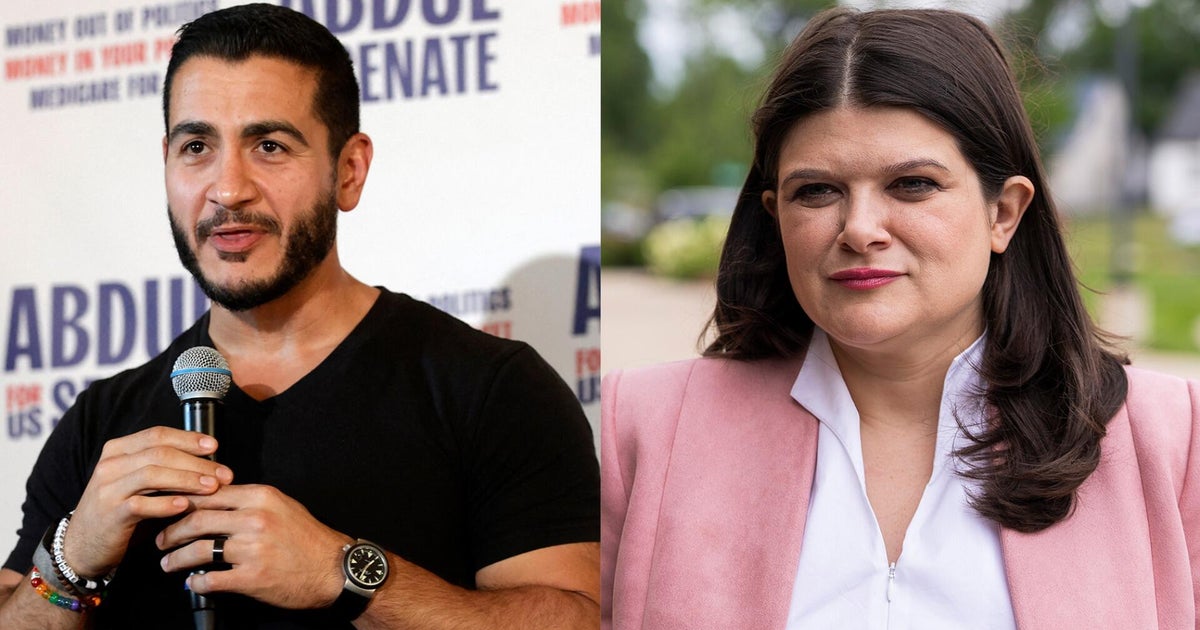
Abdul El-Sayed won Michigan’s Democratic primary for U.S. Senate, beating Rep. Haley Stevens in a close, expensive race shaped by a broader fight over the party’s direction and U.S. policy toward Israel, and he will face Republican Mike Rogers in November.
Abdul El-Sayed won Michigan’s Democratic primary for U.S. Senate, beating Rep. Haley Stevens in a close, expensive race shaped by a broader fight over the party’s direction and U.S. policy toward Israel, and he will face Republican Mike Rogers in November.
Corroboration
LowMedHigh






Confirmed by 57+ sources.
What This is
- El-Sayed defeated Rep. Haley Stevens in a contest that remained extremely close as ballots were counted.
- The primary was for an open seat after Sen. Gary Peters said he would not seek reelection.
- El-Sayed will face Republican Mike Rogers in the general election, and many reports describe the November race as competitive.
- The race became a national proxy fight between progressive and establishment Democrats, with big-name endorsements on both sides.
- Outside groups spent heavily, including AIPAC-linked spending supporting Stevens and attacking El-Sayed, with totals often described as tens of millions of dollars.
- Israel and Gaza policy was a central dividing line, including El-Sayed’s calls to end unconditional U.S. military aid to Israel.
- El-Sayed also campaigned on core progressive priorities like Medicare for All and reducing the role of big money in politics.
Why This Matters
- Michigan is a major battleground, so the nominee could help decide Senate control.
- The result will shape how Democrats judge “electability” versus movement energy in swing states.
- It tests whether huge outside spending can still steer Democratic primaries, or if it can backfire.
- The campaign shows how the Israel-Gaza debate is splitting Democrats and affecting candidate coalitions.
- It may influence how future candidates talk about lobby power, big donors, and foreign policy.