



ENVIRONMENT
7.4-magnitude earthquake strikes western Colombia, causing deaths and damage
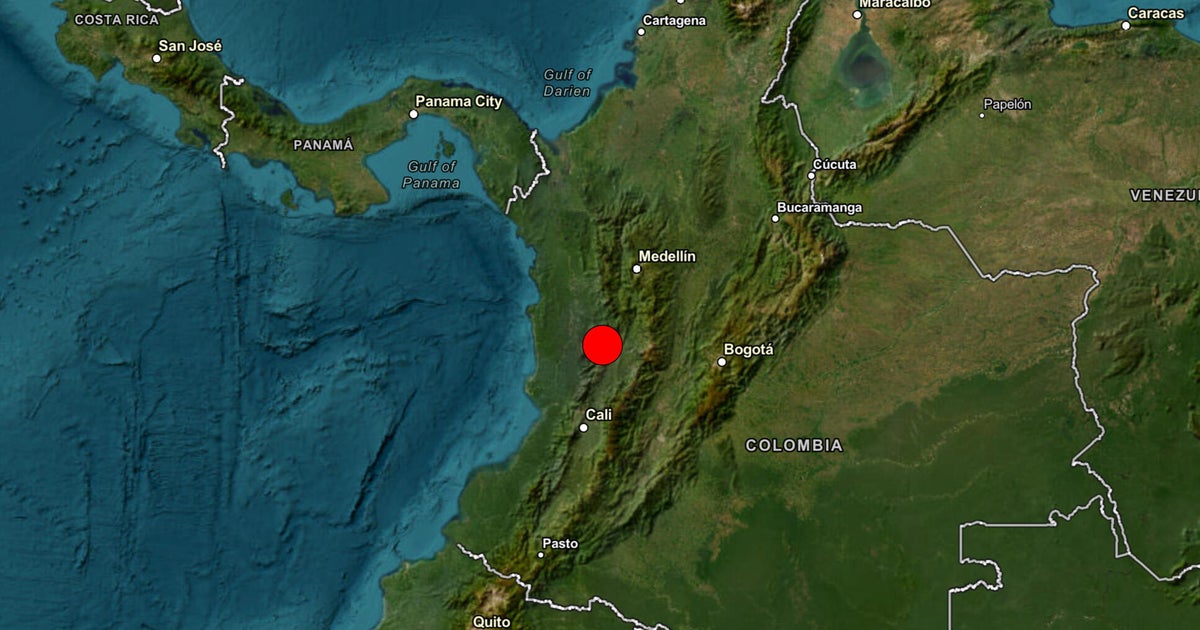
A powerful earthquake struck western Colombia near San José del Palmar, with early reports ranging from injuries and major building damage to at least 20 confirmed deaths, as officials assess losses and rescue teams search for survivors.
A powerful earthquake struck western Colombia near San José del Palmar, with early reports ranging from injuries and major building damage to at least 20 confirmed deaths, as officials assess losses and rescue teams search for survivors.
Corroboration
LowMedHigh






Confirmed by 41+ sources.
What This is
- A strong earthquake hit western Colombia near San José del Palmar in the Chocó region on Aug. 10, shaking a wide area.
- Reports differed on the quake’s size, with Colombia’s geological service and some outlets citing 6.6 while the U.S. Geological Survey reported 7.4.
- Many outlets said at least 20 people were killed, with people also reported trapped under rubble as rescuers searched collapsed buildings.
- Other early reports said the death toll was lower or not yet confirmed as authorities gathered information.
- The quake was described as relatively deep, around 79–107 km (about 49–66 miles) underground, which can spread shaking over long distances.
- Severe damage was reported in several cities, including Quibdó, Cali, Pereira and Manizales, with some buildings and parts of historic structures collapsing.
- People evacuated buildings in Bogotá and other places as alarms sounded, and the shaking was felt in Ecuador and, in some reports, farther into the region.
- Officials warned about aftershocks, and at least one aftershock was reported, as emergency agencies coordinated damage checks and rescue efforts.
- President Abelardo de la Espriella said he was taking personal charge of the emergency response and recovery planning.
Why This Matters
- The split early reports show how hard it is to confirm deaths and damage quickly after a major quake.
- Collapsed buildings and people trapped under rubble make the first 24–72 hours of rescue work critical.
- Widespread evacuations and aftershock fears can disrupt daily life far beyond the epicenter.
- Damage to hospitals, airports, and older structures can slow emergency aid and economic recovery.
- How the government manages the response can shape public trust in disaster readiness.